Metabolic Pathways

This page contains a listing of links that show diagrams of metabolic pathways associated with certain genetic inborn errors of metabolism.  It is hoped that this resource page is helpful to physicians in training and to other clinicians caring for patients with the relevant metabolic disorder.


Diagrams

Click on the image to enlarge it.

Alloisoleucine

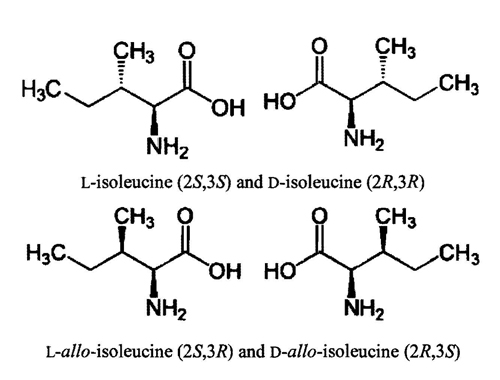
L-allo-isoleucine is a useful marker in the diagnostic detection of maple syrup urine disease.
This diagram depicts the four stereoisomers of isoleucine.  Allo-isoleucine has a very specific role in clinical medicine as a pathognomonic diagnostic biomarker for MSUD a deficiency of the branched-chain α-keto acid dehydrogenase (BCKDH) complex. When this enzyme is non-functional, branched-chain amino acids (leucine, isoleucine, and valine) and their keto acids accumulate. L-isoleucine is transaminated and then undergoes abnormal metabolic handling, leading to the accumulation of L-allo-isoleucine in the blood.

Alpha-keto glutarate dehydro complex

Diagram of the alpha‑ketoglutarate dehydrogenase complex in the TCA cycle
This diagram illustrates the alpha‑ketoglutarate dehydrogenase complex (KGDHC) and its role in the TCA cycle, converting alpha‑ketoglutarate to succinyl‑CoA while producing NADH. The enlarged section shows the three enzyme subunits (E1k, E2k, and E3) and their coordinated catalytic functions.

Aspartate transaminase

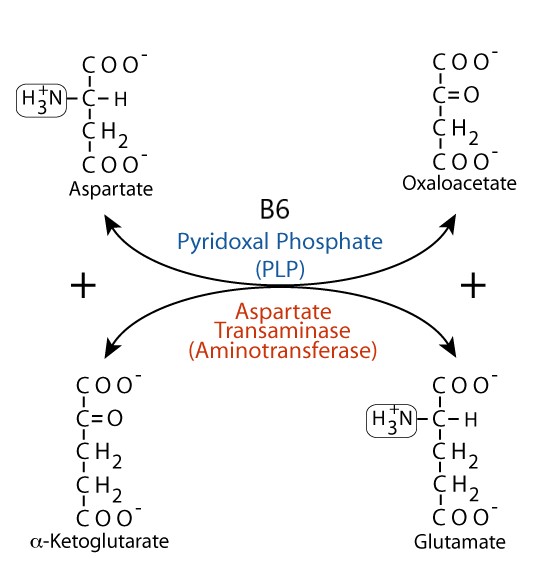
Diagram of the reversible aspartate transaminase reaction involving PLP
This diagram illustrates the reversible transamination reaction catalyzed by aspartate transaminase (AST), linking amino acid metabolism with the TCA cycle. Using pyridoxal phosphate (PLP, vitamin B6) as a cofactor, the enzyme interconverts aspartate and α‑ketoglutarate with oxaloacetate and glutamate.

Arginine metabolism

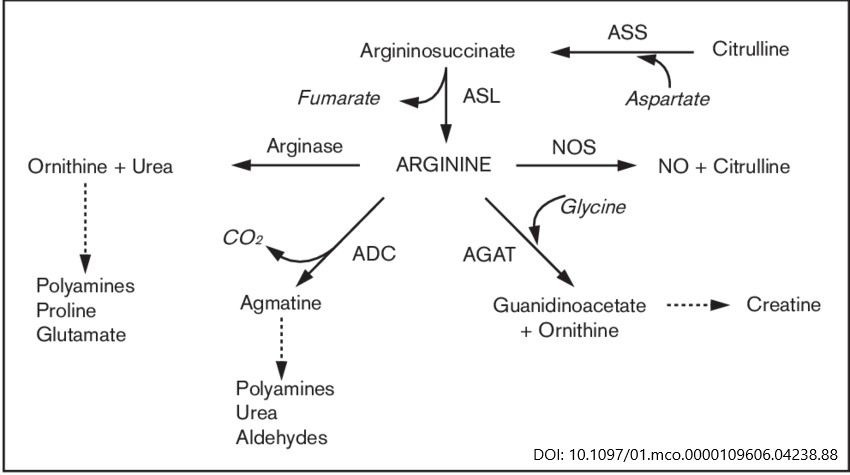
Diagram of arginine metabolism and its major biochemical pathways
This diagram illustrates arginine metabolism, highlighting arginine’s central role as a precursor for multiple biochemical pathways involved in nitrogen handling, energy metabolism, and signaling. From arginine, four major fates are shown: conversion to urea and ornithine via arginase, production of nitric oxide and citrulline via nitric oxide synthase, formation of agmatine via arginine decarboxylase, and synthesis of guanidinoacetate via arginine:glycine amidinotransferase, leading to creatine production.

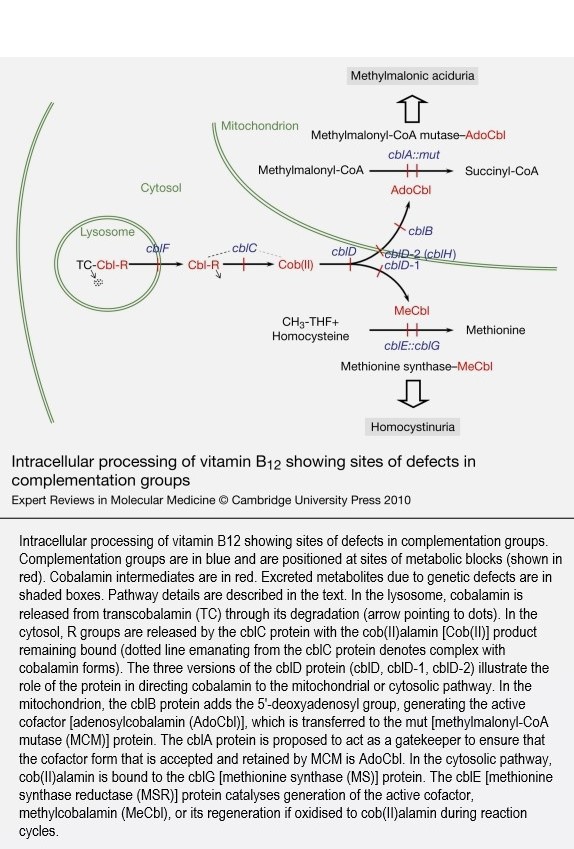
B12 cobalamin cofactor metabolism

This diagram illustrates the intracellular processing of vitamin B₁₂ (cobalamin) and identifies the specific enzymatic steps where genetic defects give rise to distinct disease states.
This diagram illustrates the intracellular processing of vitamin B₁₂ (cobalamin) and identifies the specific enzymatic steps where genetic defects give rise to distinct disease states. Dietary cobalamin enters the cell bound to transcobalamin (TC) as TC-Cbl-R, is taken up into the lysosome, and then released into the cytosol as Cbl-R, with the cblF gene product mediating lysosomal export. In the cytosol, cobalamin is reduced to Cob(II) — a step involving cblC and cblD — and then directed down one of two pathways: (1) into the mitochondria, where cblB and cblD-2 (cblH) convert it to adenosylcobalamin (AdoCbl), the cofactor required by methylmalonyl-CoA mutase to convert methylmalonyl-CoA to succinyl-CoA; defects in this branch (cblA::mut or cblB) block this conversion and cause methylmalonic aciduria (shown by the upward arrow); or (2) remaining in the cytosol, where cblD-1 and cblE/cblG convert cobalamin to methylcobalamin (MeCbl), the cofactor required by methionine synthase to remethylate homocysteine to methionine using CH₃-THF as the methyl donor; defects in this branch cause homocystinuria (shown by the downward arrow). Overall, the diagram elegantly maps the complementation groups (cblA through cblG and mut) onto the cobalamin processing pathway, explaining how different genetic defects at distinct steps produce either isolated methylmalonic aciduria, isolated homocystinuria, or combined disease depending on where the block occurs.

Branched chain amino acids, metabolic fates

Diagram of branched‑chain amino acid metabolism and downstream products
This diagram illustrates the metabolic breakdown of the branched‑chain amino acids valine, isoleucine, and leucine and their convergence on shared energy‑producing pathways. After initial transamination and processing by the branched‑chain α‑ketoacid dehydrogenase (BCKDH) complex, valine yields propionyl‑CoA, isoleucine yields both propionyl‑CoA and acetyl‑CoA, and leucine yields acetyl‑CoA and acetoacetate, with downstream defects leading to characteristic metabolite accumulation.

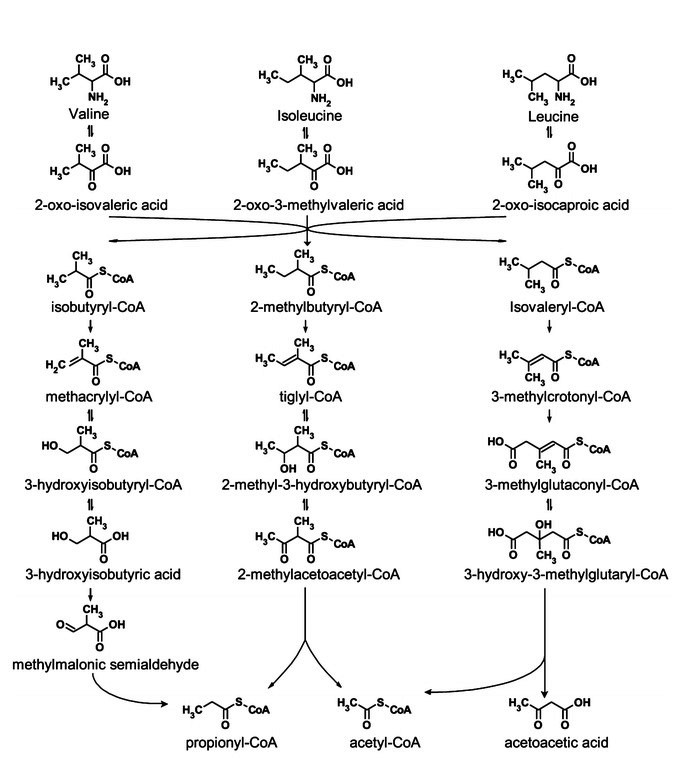
Branched chain amino acids, matabolism structures

Structural intermediates in branched‑chain amino acid metabolism
This diagram shows the chemical structures of intermediates formed during the catabolism of the branched‑chain amino acids valine, isoleucine, and leucine. Beginning with transamination to their corresponding α‑keto acids, the pathways converge at the BCKDH complex and then diverge through distinct acyl‑CoA intermediates that ultimately yield propionyl‑CoA, acetyl‑CoA, or acetoacetate.

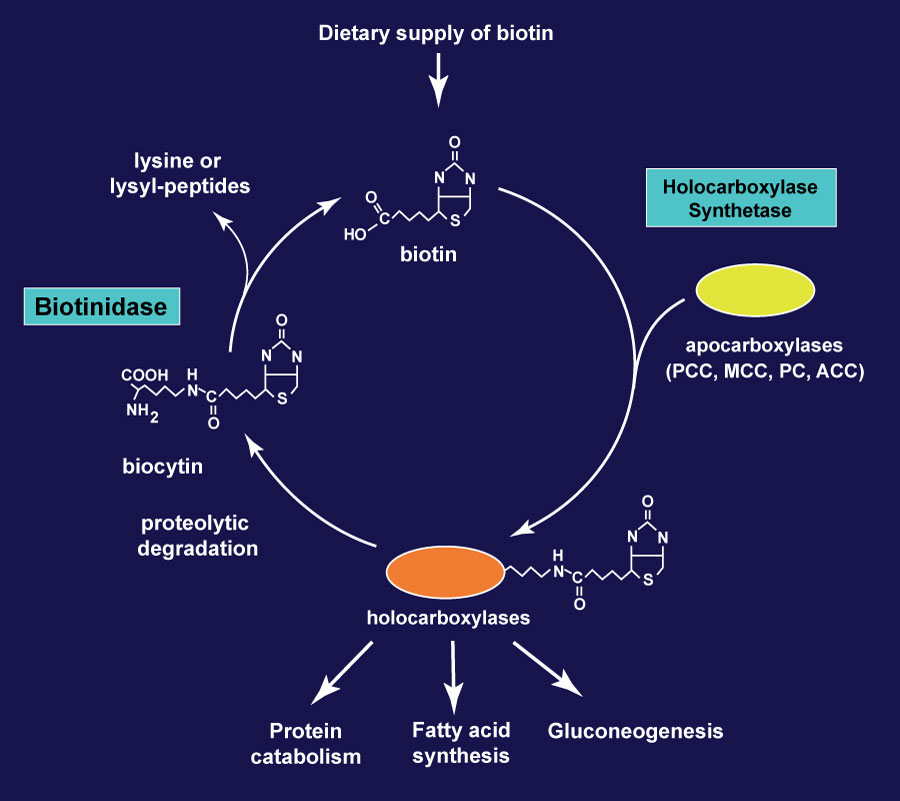
Biotinidase

Diagram of the biotin recycling cycle involving biotinidase and carboxylases
This diagram illustrates the biotin recycling cycle, highlighting the roles of holocarboxylase synthetase and biotinidase in maintaining active biotin‑dependent carboxylases. Dietary biotin is attached to apocarboxylases to form functional holocarboxylases involved in protein catabolism, fatty acid synthesis, and gluconeogenesis, and biotinidase later liberates biotin from degraded enzymes, allowing it to be reused.

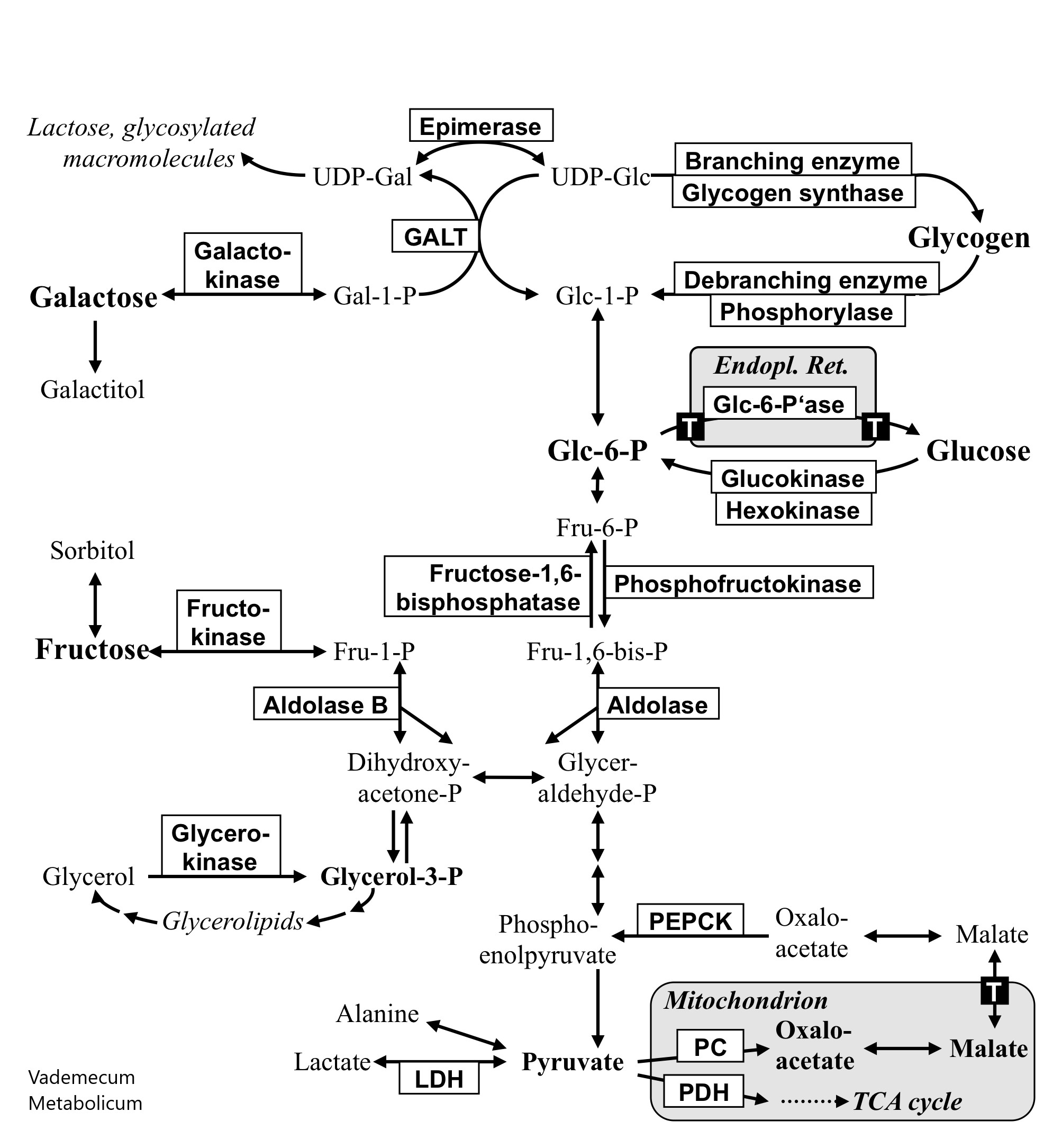
Carbohydrate metabolism

Diagram integrating major carbohydrate metabolic pathways
This diagram presents an integrated overview of carbohydrate metabolism, linking the pathways of galactose, fructose, glycogen, and glucose through glycolysis and gluconeogenesis. It illustrates how these carbohydrates are converted into shared intermediates such as glucose‑6‑phosphate and fructose‑1,6‑bisphosphate, funneling carbon toward pyruvate, the TCA cycle, glycogen storage, or glucose production depending on metabolic needs.

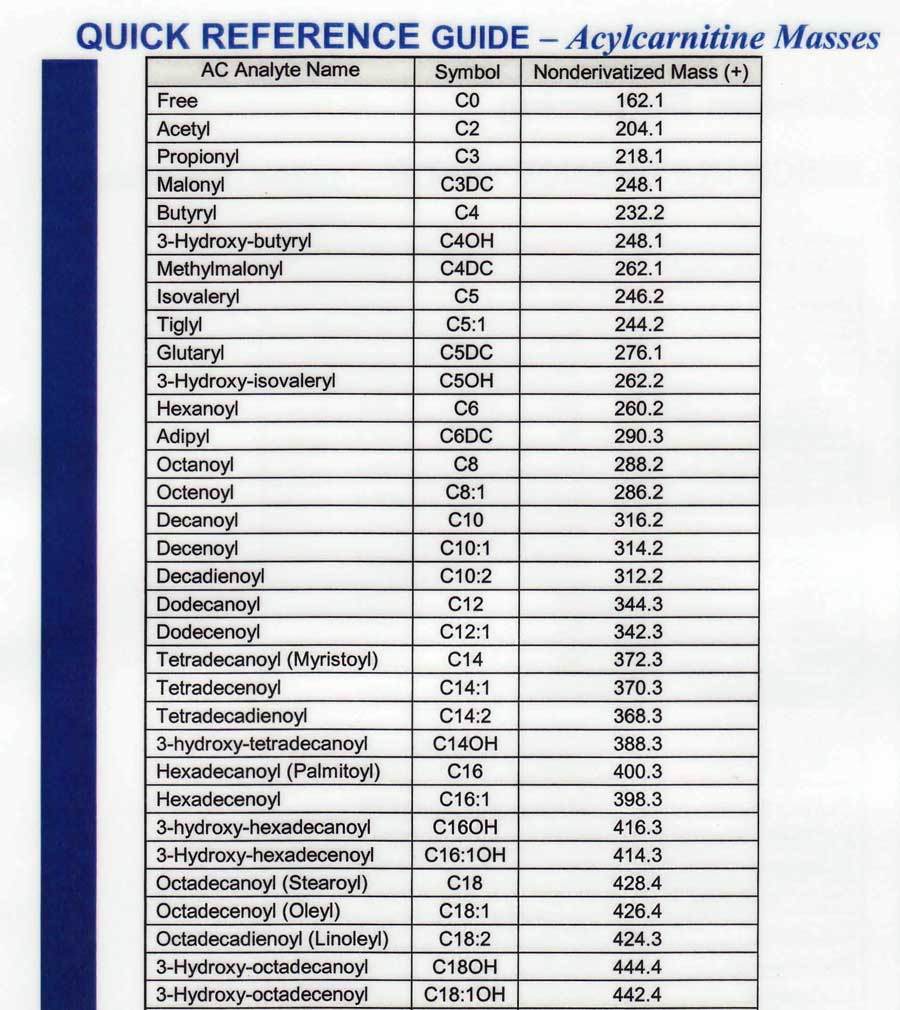
C-numbering for MSMS

Table of acylcarnitine C‑numbering and corresponding MS/MS masses
This table provides a quick reference for acylcarnitine C‑numbering used in tandem mass spectrometry (MS/MS) analysis. It lists acylcarnitines by chain length and symbol (e.g., C0, C2, C3) alongside their non‑derivatized masses, supporting interpretation of newborn screening and metabolic disorder testing.

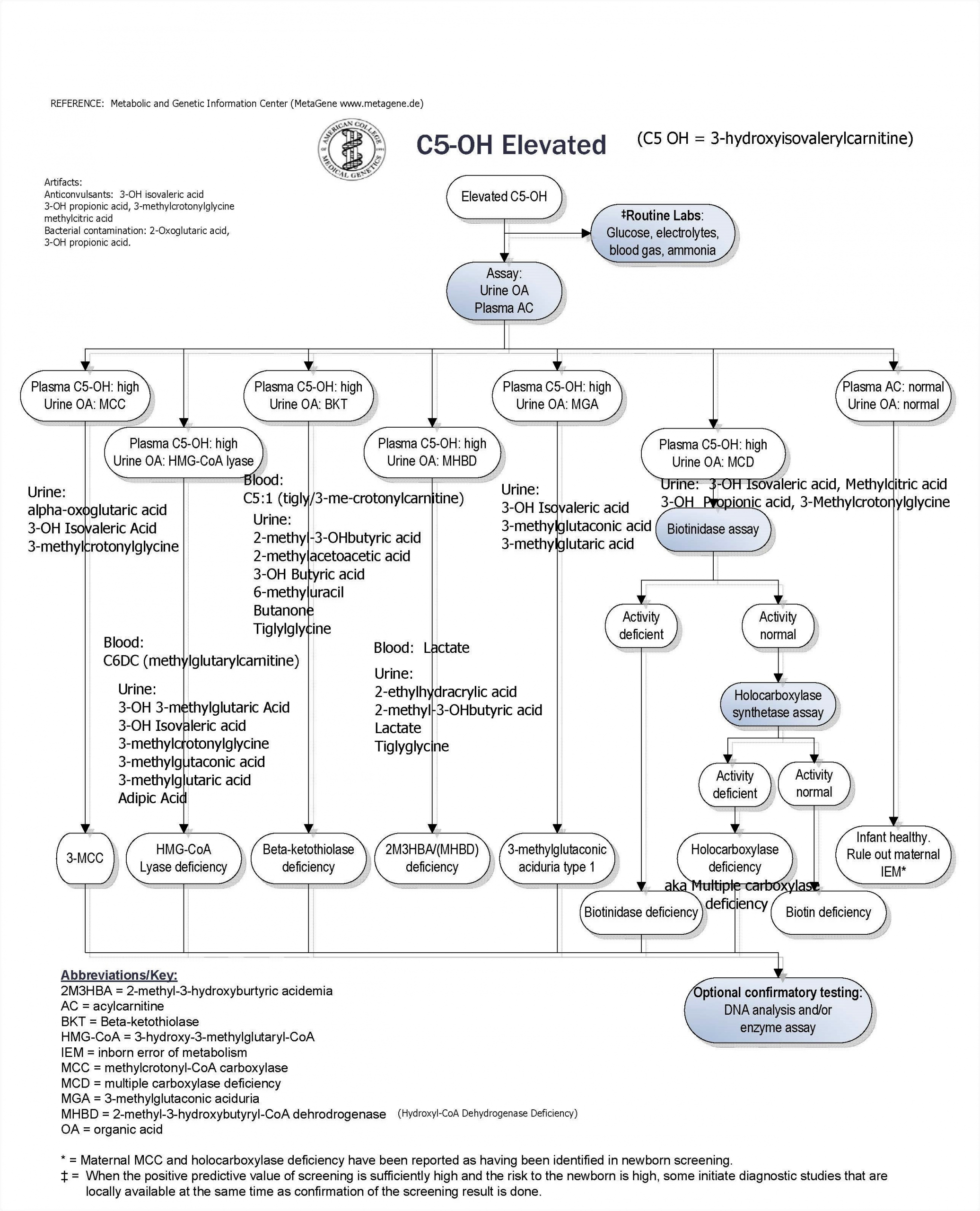
C5OH UOA metabolites

Clinical flowchart for evaluating elevated C5OH acylcarnitine on newborn screening
This diagram presents a clinical decision‑making flowchart for investigating elevated C5OH (3‑hydroxyisovalerylcarnitine) detected on newborn screening. It outlines laboratory testing and diagnostic pathways used to differentiate conditions such as 3‑methylcrotonyl‑CoA carboxylase deficiency, HMG‑CoA lyase deficiency, beta‑ketothiolase deficiency, multiple carboxylase deficiency, and related disorders based on urine organic acid patterns and enzyme assays.

CPT1, 2 and CACT

Diagram of the carnitine shuttle involving CPT1, CACT, and CPT2 in fatty acid oxidation
This diagram depicts the carnitine shuttle system used to transport long‑chain fatty acids into the mitochondrial matrix for β‑oxidation. It shows the roles of carnitine palmitoyltransferase I (CPT1), the carnitine–acylcarnitine translocase (CACT), and carnitine palmitoyltransferase II (CPT2) in converting fatty acyl‑CoA to acylcarnitine, translocating it across the inner mitochondrial membrane, and regenerating fatty acyl‑CoA for energy production.

Citric acid cycle

Diagram of the tricarboxylic acid (TCA) cycle with key intermediates and enzymes
This diagram illustrates the tricarboxylic acid (TCA) cycle, showing the sequence of reactions that oxidize acetyl‑CoA to CO₂ while generating NADH, FADH₂, and GTP (or ATP). The cycle regenerates oxaloacetate and provides reducing equivalents that drive ATP production through the electron transport chain.

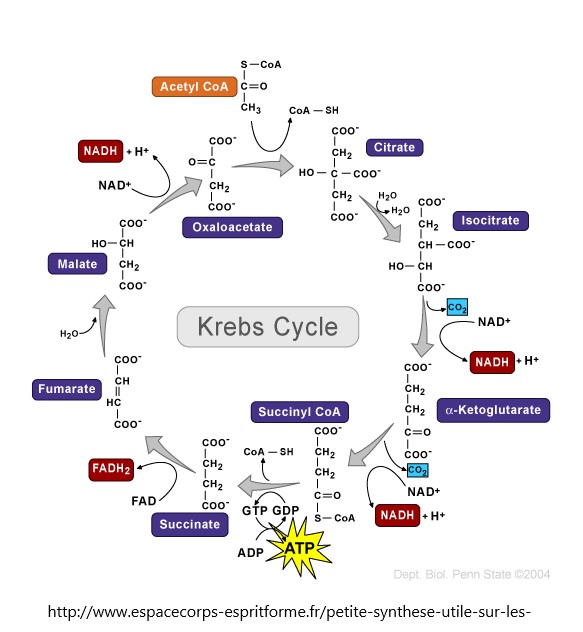
Citric acid cycle simplified

Simplified diagram of the citric acid (Krebs) cycle highlighting key intermediates
This simplified diagram of the citric acid (Krebs) cycle emphasizes the major intermediates and energy carriers produced during each turn of the cycle. It shows how acetyl‑CoA is oxidized to CO₂ while generating NADH, FADH₂, and GTP (or ATP), which support cellular energy production through the electron transport chain.

Creatine synthesis and transport

Diagram of creatine biosynthesis and cellular transport pathway
This diagram illustrates the creatine synthesis and transport pathway, showing the conversion of arginine and glycine to creatine via AGAT and GAMT, followed by cellular uptake through the SLC6A8 transporter. It also depicts intracellular conversion of creatine to creatine phosphate by creatine kinase, supporting cellular energy buffering.

Ethylmalonic, IBDH,SCAD algorithm

Clinical algorithm for evaluating elevated C4 acylcarnitine on newborn screening
This diagram shows a clinical decision‑making flowchart used to evaluate isolated elevation of C4 acylcarnitine (C4AC) detected on newborn screening. Based on patterns of plasma acylcarnitines and urine organic acids, the algorithm guides differentiation among isobutyryl‑CoA dehydrogenase deficiency (IBD‑D), short‑chain acyl‑CoA dehydrogenase deficiency (SCAD‑D), ethylmalonic encephalopathy, or a false‑positive result, with confirmatory genetic sequencing indicated for each diagnosis.

Ethylmalonic acid pathway

Pathway diagram showing ethylmalonic acid accumulation and hydrogen sulfide metabolism
This diagram illustrates the metabolic pathways involved in ethylmalonic acid accumulation, focusing on the role of ETHE1 dioxygenase in hydrogen sulfide (H₂S) detoxification. It shows how deficiency of ETHE1 leads to impaired H₂S metabolism, disruption of mitochondrial function and fatty acid oxidation, and the biochemical mechanisms underlying ethylmalonic encephalopathy.

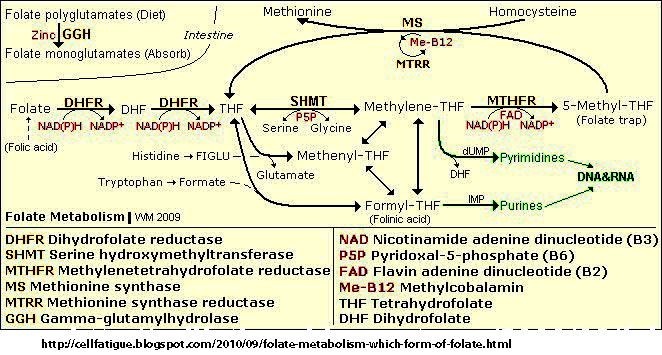
Folate acid pathways

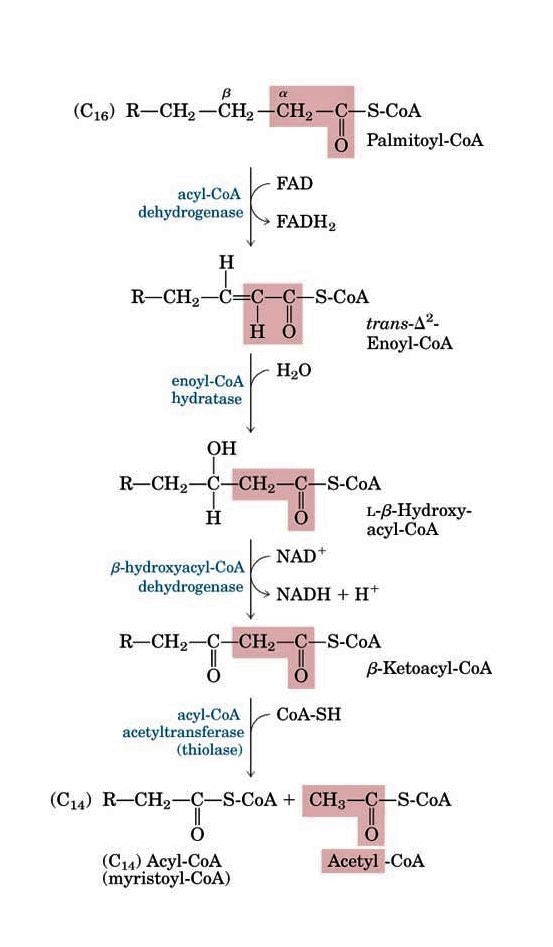
Diagram of fatty acid beta‑oxidation showing sequential enzymatic steps and acetyl‑CoA release
This diagram illustrates mitochondrial β‑oxidation of fatty acids, showing the repeating sequence of dehydrogenation, hydration, oxidation, and thiolysis that shortens an acyl‑CoA by two carbons each cycle. It highlights how long‑chain fatty acids are progressively converted into acetyl‑CoA units that enter the TCA cycle for energy production.

Folate receptor, cerebral

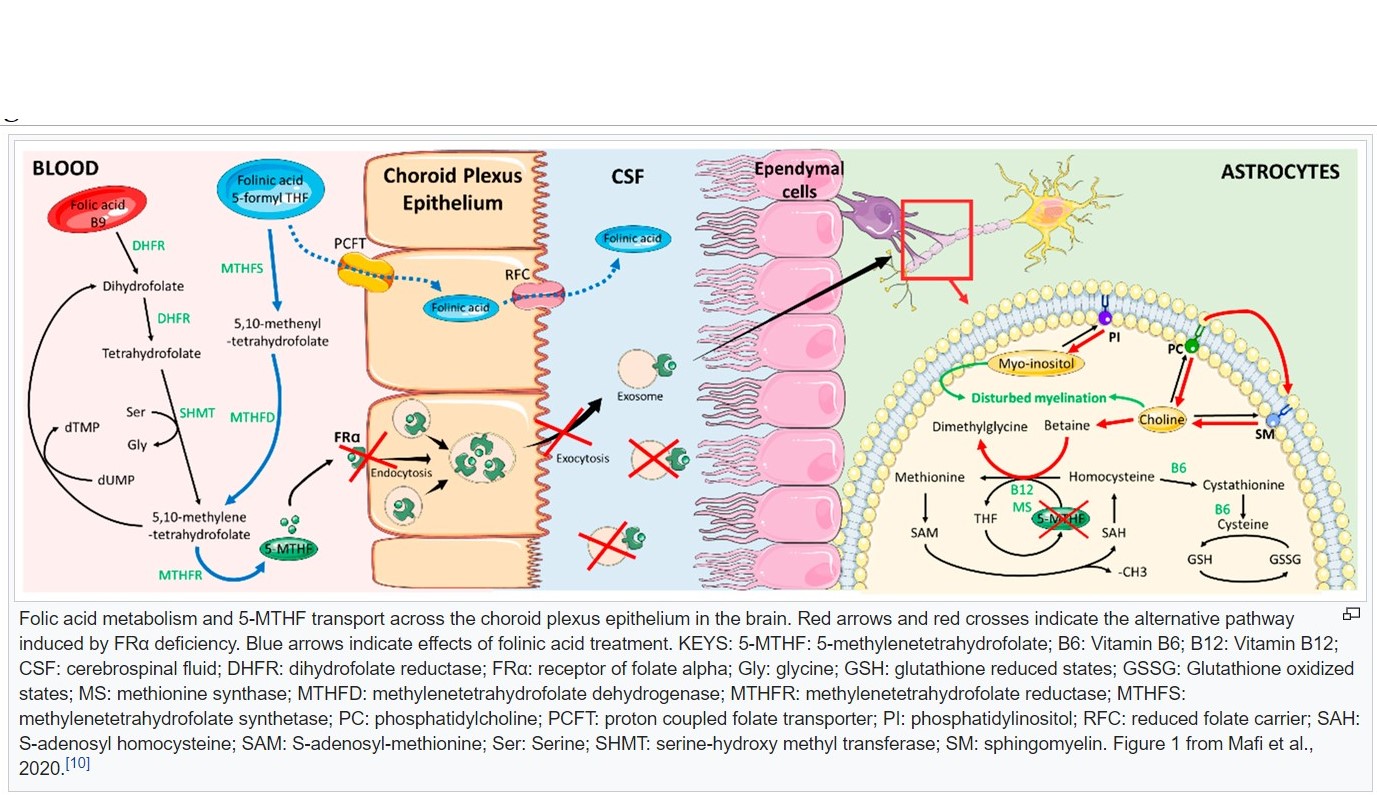
Diagram of cerebral folate transport across the blood–CSF barrier and brain metabolism
This diagram illustrates folate transport across the blood–CSF barrier via the choroid plexus and its downstream roles in brain metabolism. It highlights how folate is processed and delivered to the central nervous system, the impact of folate receptor autoantibodies on transport, and the dependence of neuronal and astrocytic one‑carbon metabolism on adequate cerebral folate availability.

GABA SSADH

Diagram of the GABA metabolic pathway showing succinic semialdehyde dehydrogenase deficiency
This diagram illustrates the GABA metabolic pathway and the biochemical consequences of succinic semialdehyde dehydrogenase (SSADH) deficiency. It shows the conversion of glutamate to GABA, the normal breakdown of GABA to succinate for entry into the TCA cycle, and how impaired SSADH activity diverts metabolism toward gamma‑hydroxybutyrate (GHB) accumulation.

Galactose pathway

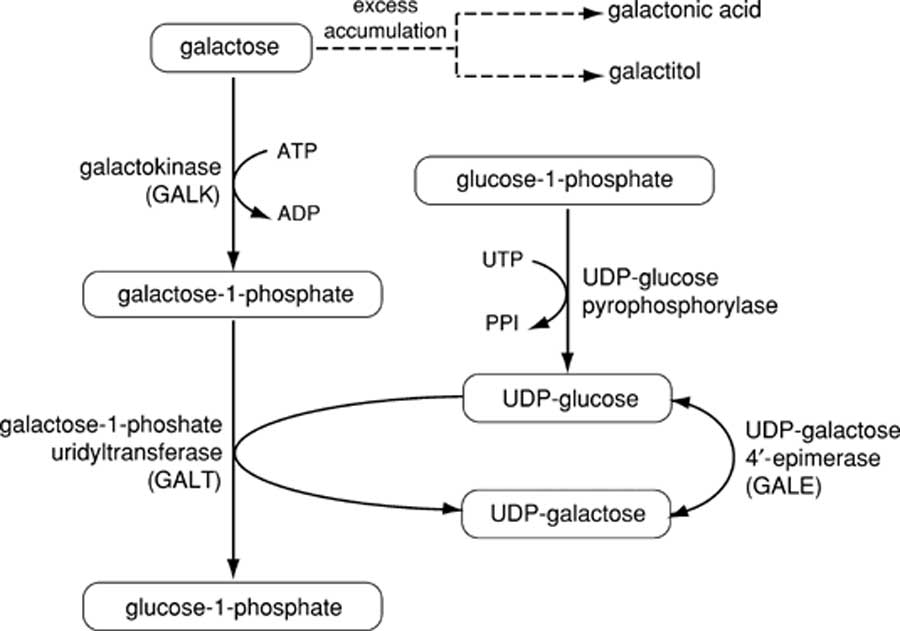
Diagram illustrating the enzymatic steps involved in the metabolism of galactose.
This diagram illustrates the galactose metabolic pathway, highlighting the primary enzymatic steps that convert galactose to glucose‑1‑phosphate for entry into carbohydrate metabolism. It shows the roles of galactokinase (GALK), galactose‑1‑phosphate uridyltransferase (GALT), and UDP‑galactose 4′‑epimerase (GALE), and indicates how defects in these enzymes lead to different forms of galactosemia and accumulation of toxic byproducts.

Galactosemia florescence

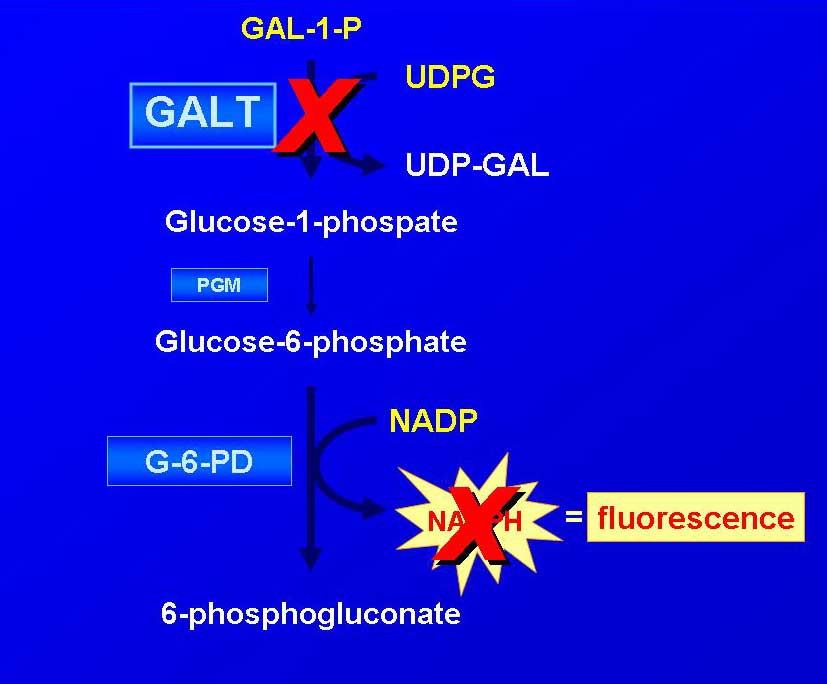
Diagram showing the biochemical basis of the Beutler fluorescent spot test for galactosemia
This diagram illustrates the biochemical principle of the Beutler fluorescent spot test used in newborn screening for classic galactosemia. It shows how normal GALT activity leads to NADPH production and fluorescence, while GALT deficiency blocks the pathway, preventing NADPH formation and resulting in absence of fluorescence.

G6PD Deficiency

Diagram of the pentose phosphate pathway highlighting the role of G6PD and NADPH
This diagram shows the pentose phosphate pathway and the role of glucose‑6‑phosphate dehydrogenase (G6PD) in generating NADPH. It illustrates how NADPH supports regeneration of reduced glutathione, which protects cells—particularly red blood cells—from oxidative stress, and how G6PD deficiency impairs this protective mechanism.

Gluconeogenesis

Diagram of the gluconeogenesis pathway showing key enzymes and bypass reactions
This diagram illustrates gluconeogenesis, the metabolic pathway that synthesizes glucose from non‑carbohydrate precursors, primarily in the liver. It highlights the major substrates entering the pathway, the three irreversible glycolytic steps that are bypassed, and the key enzymes that enable glucose production during fasting or impaired glycolysis.

Glutathione

Diagram of the glutathione redox cycle showing conversion between GSH and GSSG
This diagram illustrates the glutathione redox cycle, showing how reduced glutathione (GSH) is oxidized to glutathione disulfide (GSSG) during oxidative stress and then regenerated by glutathione reductase using NADPH.

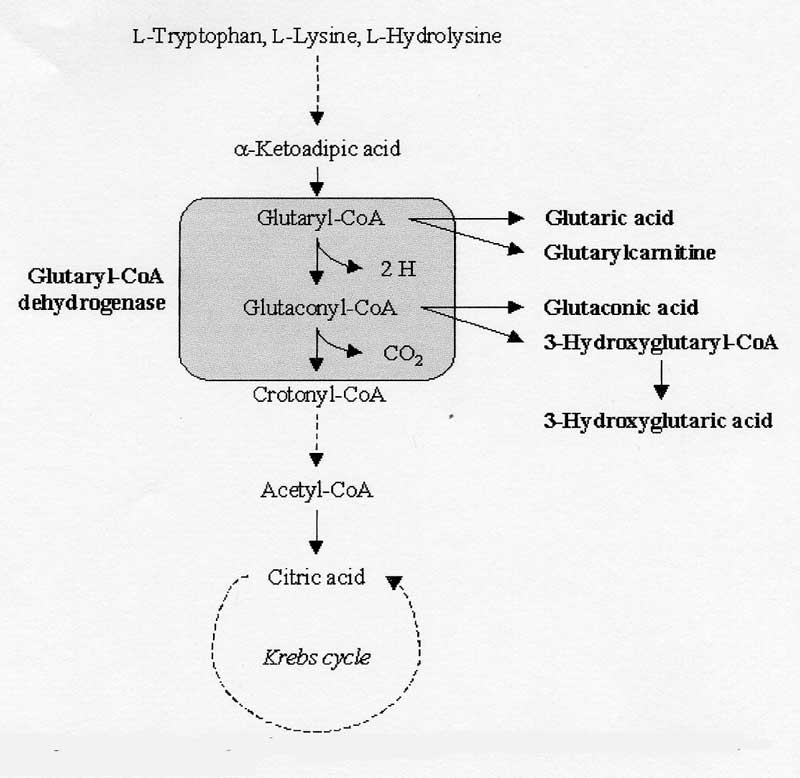
Glutaric aciduria, type 1, lysine metabolism

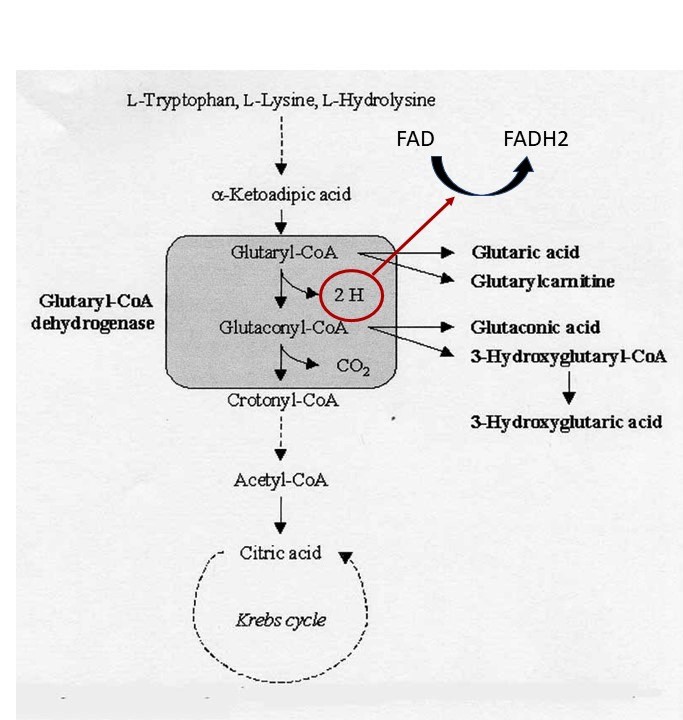
Diagram of lysine metabolism highlighting glutaric aciduria type I pathway disruption.
This diagram illustrates the catabolism of lysine, hydroxylysine, and tryptophan and the metabolic block that occurs in glutaric aciduria type I (GA1). It highlights the role of glutaryl‑CoA dehydrogenase and shows how enzyme deficiency leads to accumulation of glutaric acid and related metabolites that contribute to the clinical features of GA1.

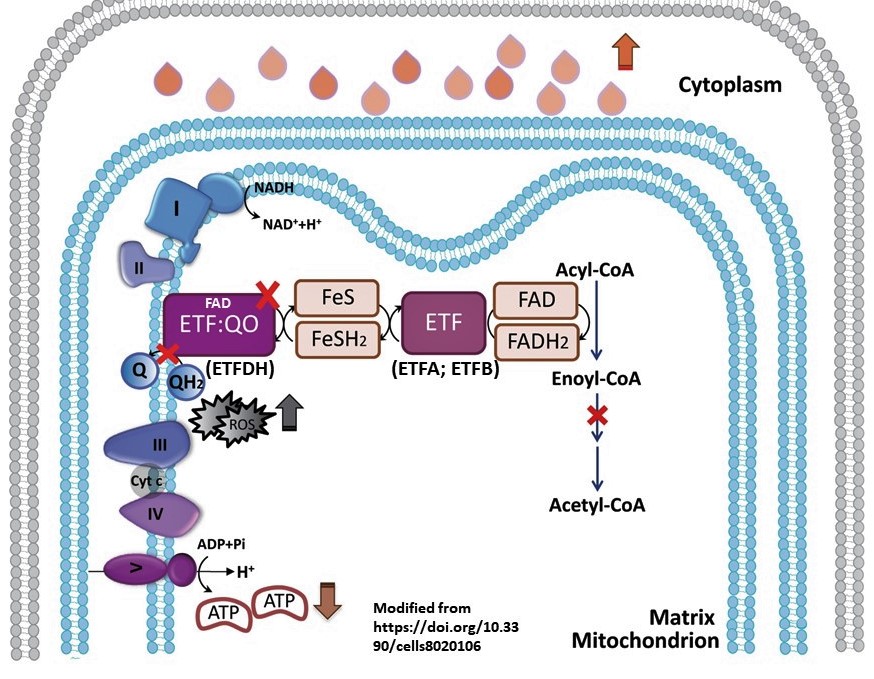
Glutaric aciduria, type 2

Diagram showing electron transfer flavoprotein pathway disruption in glutaric aciduria type II.
This diagram illustrates the pathophysiology of glutaric aciduria type II (GA2), also known as multiple acyl‑CoA dehydrogenase deficiency (MADD). It shows how defects in the electron transfer flavoprotein (ETF) system or ETF‑ubiquinone oxidoreductase impair electron flow from acyl‑CoA dehydrogenases to the respiratory chain, disrupting fatty acid and amino acid oxidation and leading to metabolite accumulation.

Glycine cleavage

Diagram of the glycine cleavage system showing P, H, T, and L protein components.
This diagram illustrates the mitochondrial glycine cleavage system, a four‑protein enzyme complex responsible for glycine degradation. It shows the roles of the P, H, T, and L proteins and the associated genes, highlighting how defects in this system impair glycine metabolism and underlie nonketotic hyperglycinemia.

Glycogen Storage Disease, types

Diagram of glycogen metabolism highlighting enzyme defects in different glycogen storage diseases.
This diagram provides an overview of glycogen synthesis and degradation and maps specific enzymatic defects to the corresponding types of glycogen storage disease (GSD). It illustrates how disruptions at different steps in glycogen metabolism affect glucose availability in liver, muscle, or both, leading to distinct clinical phenotypes.

Glycogen debranching

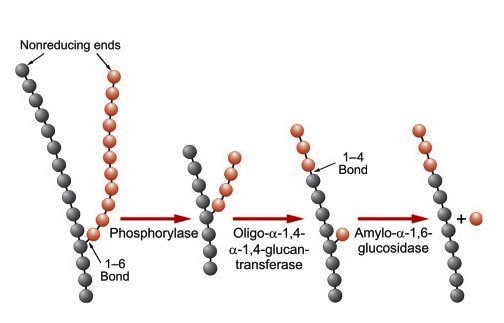
Diagram showing the two‑step action of the glycogen debranching enzyme during glycogen breakdown
This diagram illustrates the two‑step debranching process in glycogen degradation. It shows how oligo‑α‑1,4‑glucan transferase shifts glucose residues away from a branch point and how amylo‑α‑1,6‑glucosidase hydrolyzes the remaining α‑1,6 bond to release free glucose, enabling continued glycogen breakdown.

Glycogen glucose kinase and phosphatase

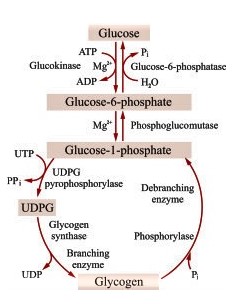
Diagram of glycogen synthesis and breakdown showing roles of glucokinase and glucose‑6‑phosphatase.
This diagram illustrates the synthesis and degradation of glycogen and its relationship to free glucose metabolism. It highlights the opposing roles of glucokinase and glucose‑6‑phosphatase in regulating glucose‑6‑phosphate levels, as well as the key enzymatic steps involved in glycogen storage and glucose release, particularly in the liver.

Glycolysis

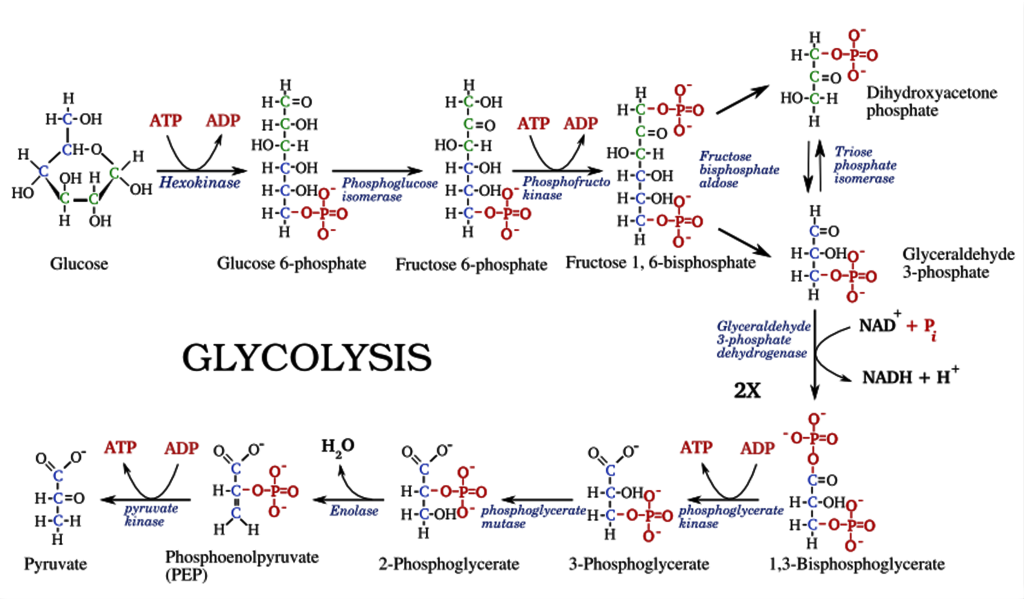
Diagram of the glycolysis pathway showing sequential enzymatic steps from glucose to pyruvate.
This diagram illustrates the glycolytic pathway, outlining the ten enzymatic reactions that convert glucose into pyruvate. It shows the major intermediates, ATP investment and payoff phases, and the production of ATP and NADH during glucose catabolism.

Glycosaminoglycans (GAGs) table

Table showing repeating disaccharide structures of major glycosaminoglycans
This table summarizes the repeating disaccharide units of the major glycosaminoglycans, including heparan sulfate/heparin, chondroitin sulfate/dermatan sulfate, keratan sulfate, and hyaluronic acid. It highlights differences in sugar composition, glycosidic linkages, and sulfation patterns using symbolic notation.

Hurler MPS1

Diagram showing alpha‑L‑iduronidase deficiency in mucopolysaccharidosis type I
This diagram illustrates the enzymatic defect in mucopolysaccharidosis type I (MPS I), showing how deficiency of alpha‑L‑iduronidase prevents normal degradation of heparan sulfate. The blocked cleavage leads to accumulation of partially degraded glycosaminoglycans, underlying the spectrum of Hurler, Hurler‑Scheie, and Scheie syndromes.

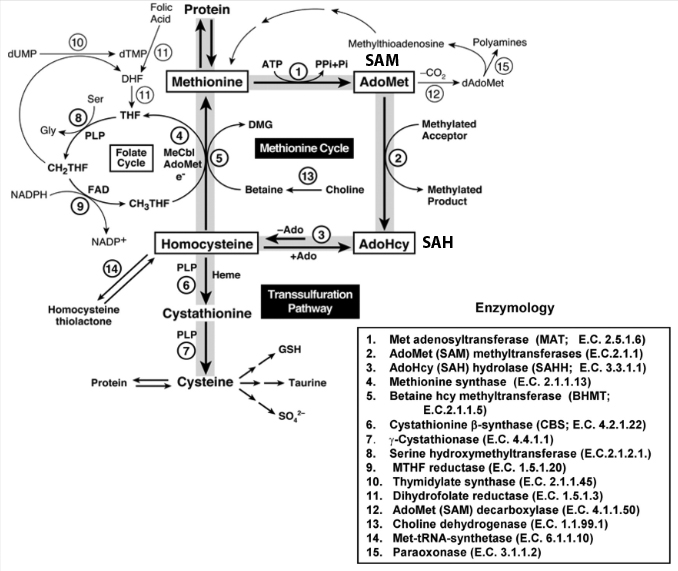
Homocysteine, transsulfuration

Diagram of methionine and homocysteine metabolism including transsulfuration and remethylation
This diagram illustrates the interconnected metabolism of methionine and homocysteine, integrating the methionine cycle, transsulfuration pathway, and folate‑dependent one‑carbon metabolism. It shows how homocysteine can be remethylated to methionine or irreversibly converted to cysteine through transsulfuration, with key enzymes and cofactors highlighted.

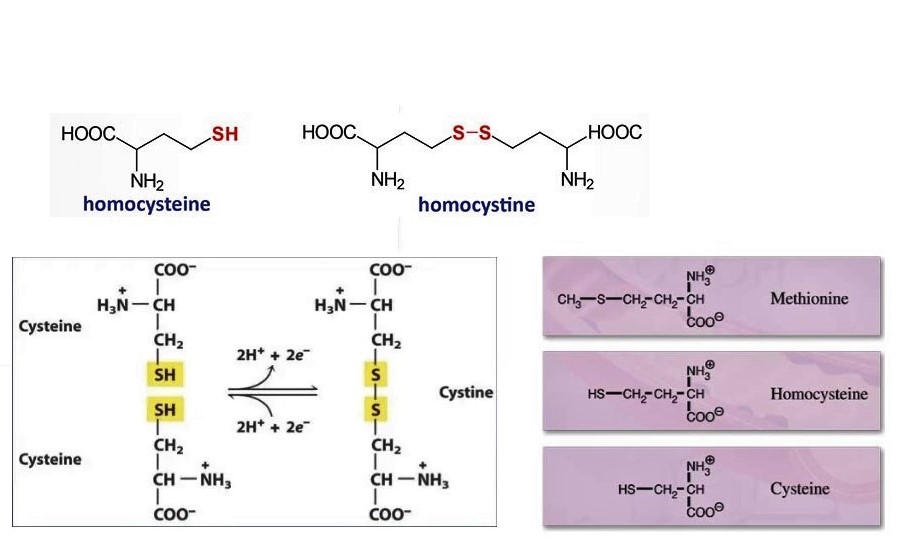
Homocysteine and homocystine

Chemical structures of homocysteine, homocystine, methionine, and cysteine
This diagram illustrates the chemical relationships among sulfur‑containing amino acids, highlighting homocysteine in its reduced thiol form and homocystine as the oxidized disulfide‑linked dimer. It compares these structures with cysteine/cystine redox pairs and methionine, showing how interconversion through oxidation–reduction and transsulfuration underlies metabolic connectivity and disease relevance.
Keto-thiolase deficiency

Diagram showing disrupted isoleucine and ketone body metabolism in beta‑ketothiolase deficiency
This diagram illustrates the dual metabolic role of beta‑ketothiolase (mitochondrial acetoacetyl‑CoA thiolase) in isoleucine catabolism and ketone body metabolism. It shows how deficiency of this enzyme blocks both pathways, leading to accumulation of characteristic organic acids and acylcarnitines associated with beta‑ketothiolase deficiency.

Ketogenesis pathway

Diagram of the ketogenesis pathway showing conversion of acetyl‑CoA to ketone bodies
This diagram illustrates the ketogenesis pathway, showing how acetyl‑CoA is converted in the liver into the ketone bodies acetoacetate, β‑hydroxybutyrate, and acetone. It highlights the key enzymatic steps involving thiolase, HMG‑CoA synthase, and HMG‑CoA lyase, which enable ketone production during fasting or low‑glucose conditions.

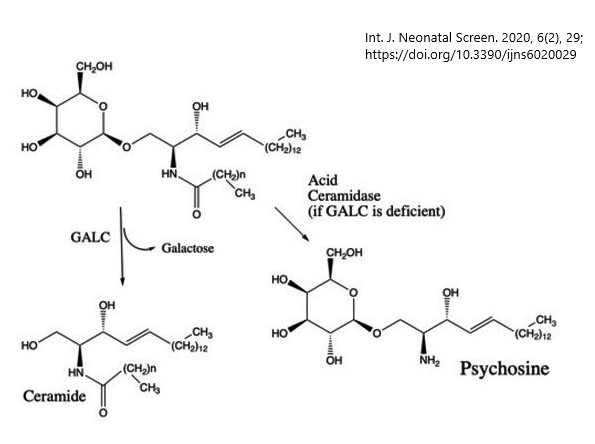
Krabbe, psychosine

Diagram showing psychosine formation due to galactocerebrosidase deficiency in Krabbe disease
This diagram illustrates the enzymatic defect in Krabbe disease, showing how deficiency of galactocerebrosidase (GALC) prevents normal breakdown of galactosylceramide. As a result, an alternative reaction produces psychosine, a cytotoxic lysosphingolipid whose accumulation contributes to the pathogenesis of globoid cell leukodystrophy.

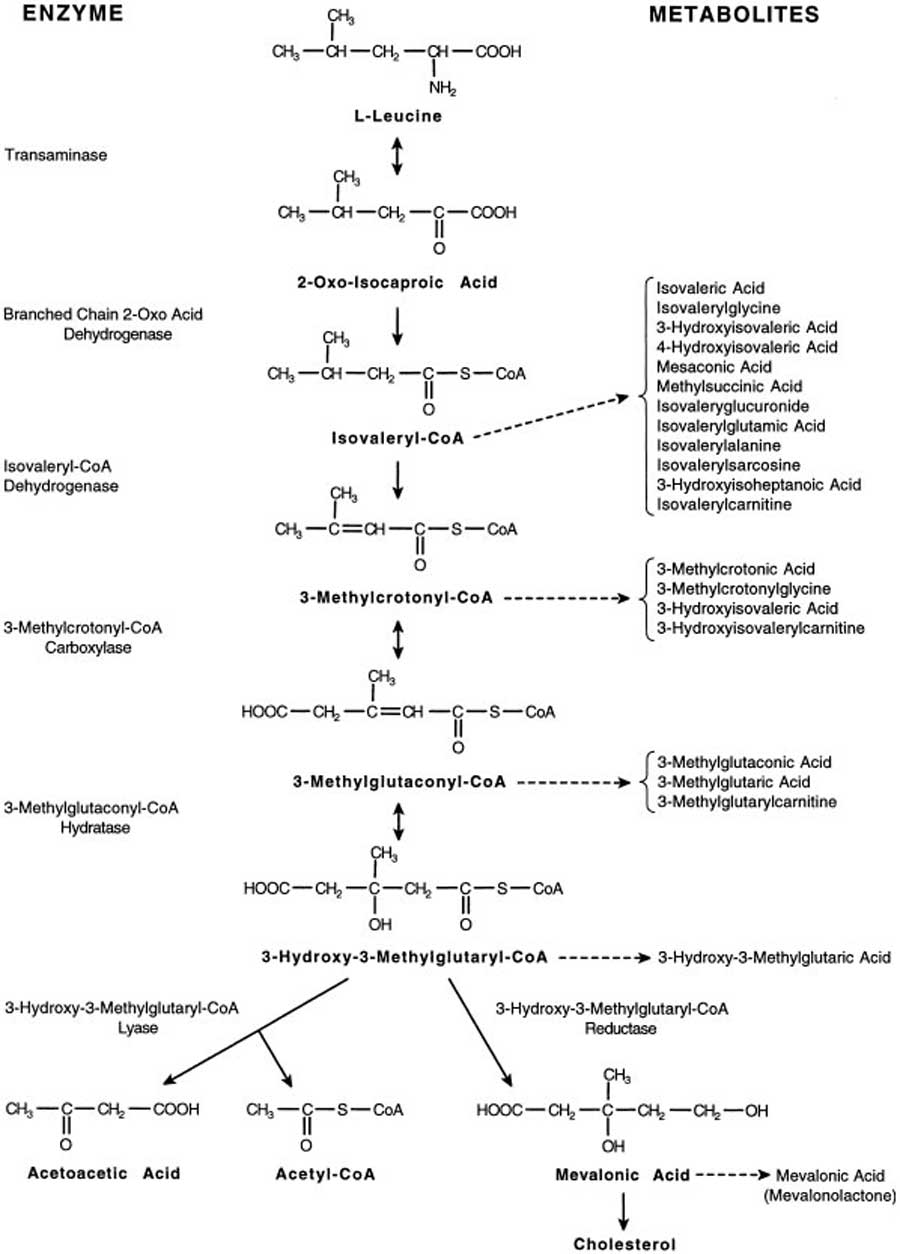
Leucine catabolism

Diagram of the leucine catabolic pathway showing enzymatic steps and accumulating metabolites
This diagram illustrates the catabolism of leucine, tracing its conversion through a series of mitochondrial enzymatic reactions to acetoacetate and acetyl‑CoA. It highlights key enzymes in the pathway and the characteristic metabolic intermediates that accumulate when specific steps are impaired, as seen in disorders affecting branched‑chain amino acid metabolism.

Malate and Aspartate shuttles

Diagram of the malate–aspartate shuttle transferring cytosolic NADH into mitochondria
This diagram illustrates the malate–aspartate shuttle, which transfers reducing equivalents from cytosolic NADH into the mitochondrial matrix for oxidative phosphorylation. It shows the interconversion of malate, oxaloacetate, aspartate, and α‑ketoglutarate across the inner mitochondrial membrane, enabling continued NADH regeneration during glycolysis.

Methionine cycle

Diagram of the methionine cycle showing SAM‑dependent methylation and homocysteine recycling
This diagram illustrates the methionine cycle, highlighting the formation of S‑adenosylmethionine (SAM) as a universal methyl donor and the generation of S‑adenosylhomocysteine (SAH) after methylation reactions. It shows how homocysteine is produced and subsequently remethylated to methionine or directed toward transsulfuration, linking methylation, amino acid metabolism, and folate‑dependent pathways.

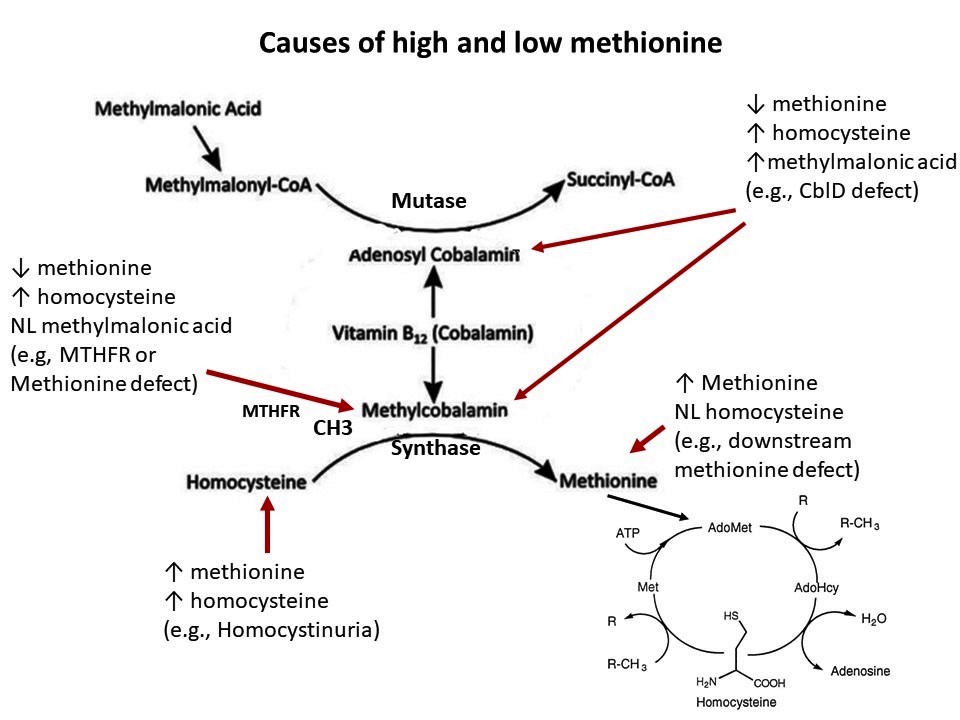
Methionine: high and low

Diagram linking methionine and homocysteine patterns to cobalamin and folate disorders
This diagram illustrates the biochemical causes of high or low methionine and homocysteine levels by mapping key defects in cobalamin‑, folate‑, and methionine‑dependent pathways. It shows how distinct patterns of methionine, homocysteine, and methylmalonic acid help differentiate disorders affecting remethylation, transsulfuration, and downstream methionine metabolism.

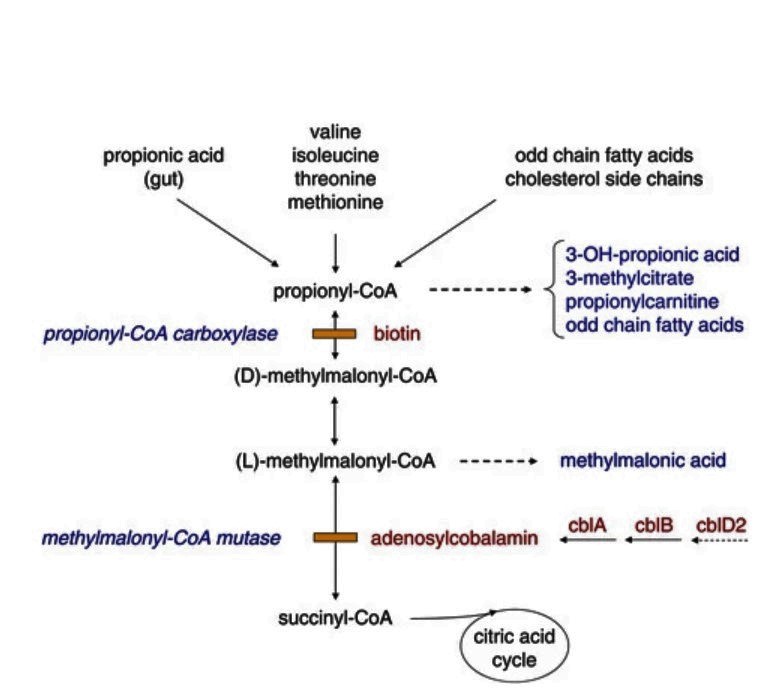
Methylmalonic acid pathway

Diagram of propionate and methylmalonate metabolism leading to succinyl‑CoA
This diagram illustrates the propionate and methylmalonate metabolic pathway, showing how propionyl‑CoA is converted to succinyl‑CoA for entry into the TCA cycle. It highlights the roles of propionyl‑CoA carboxylase and methylmalonyl‑CoA mutase, the requirement for biotin and adenosylcobalamin, and how defects in these steps lead to methylmalonic acidemia with accumulation of characteristic metabolites.

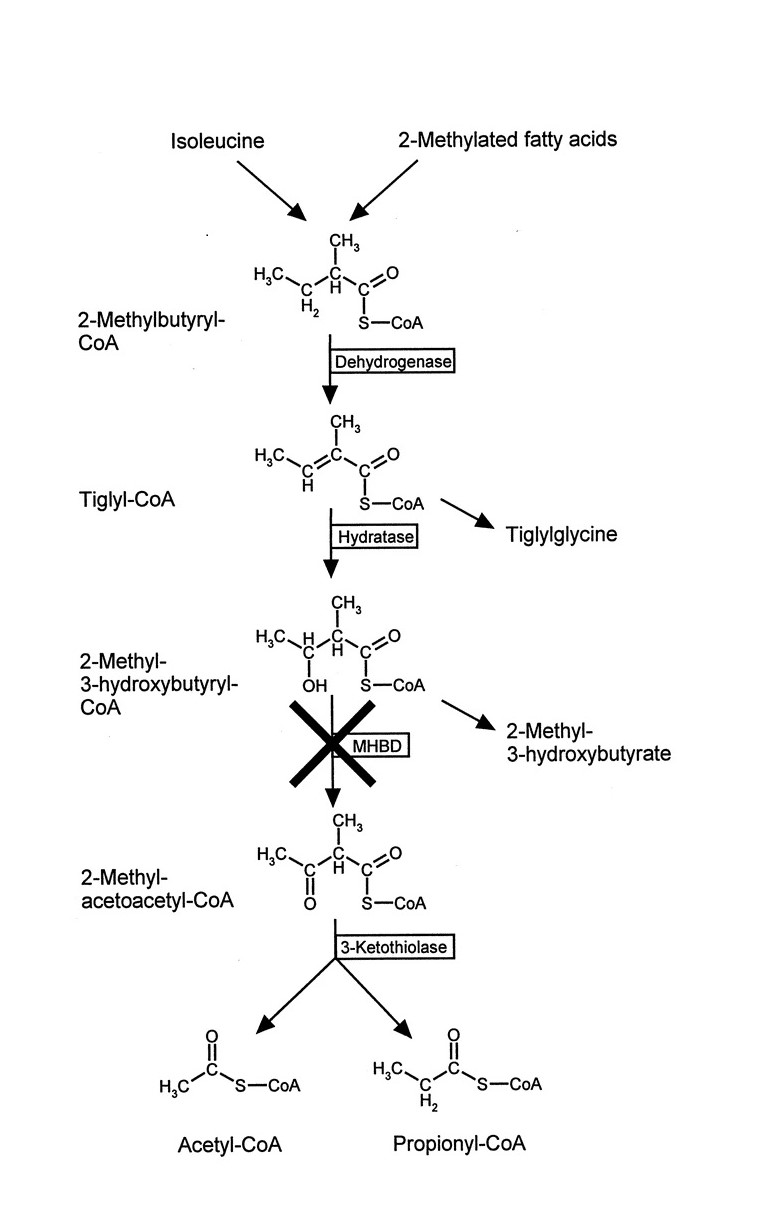
MHBD deficiency

Diagram of isoleucine catabolism showing the metabolic block in MHBD deficiency
This diagram illustrates the isoleucine catabolic pathway with emphasis on the step catalyzed by 2‑methyl‑3‑hydroxybutyryl‑CoA dehydrogenase (MHBD). It shows how deficiency of this enzyme blocks conversion of 2‑methyl‑3‑hydroxybutyryl‑CoA to 2‑methylacetoacetyl‑CoA, leading to accumulation of characteristic metabolites associated with MHBD deficiency.

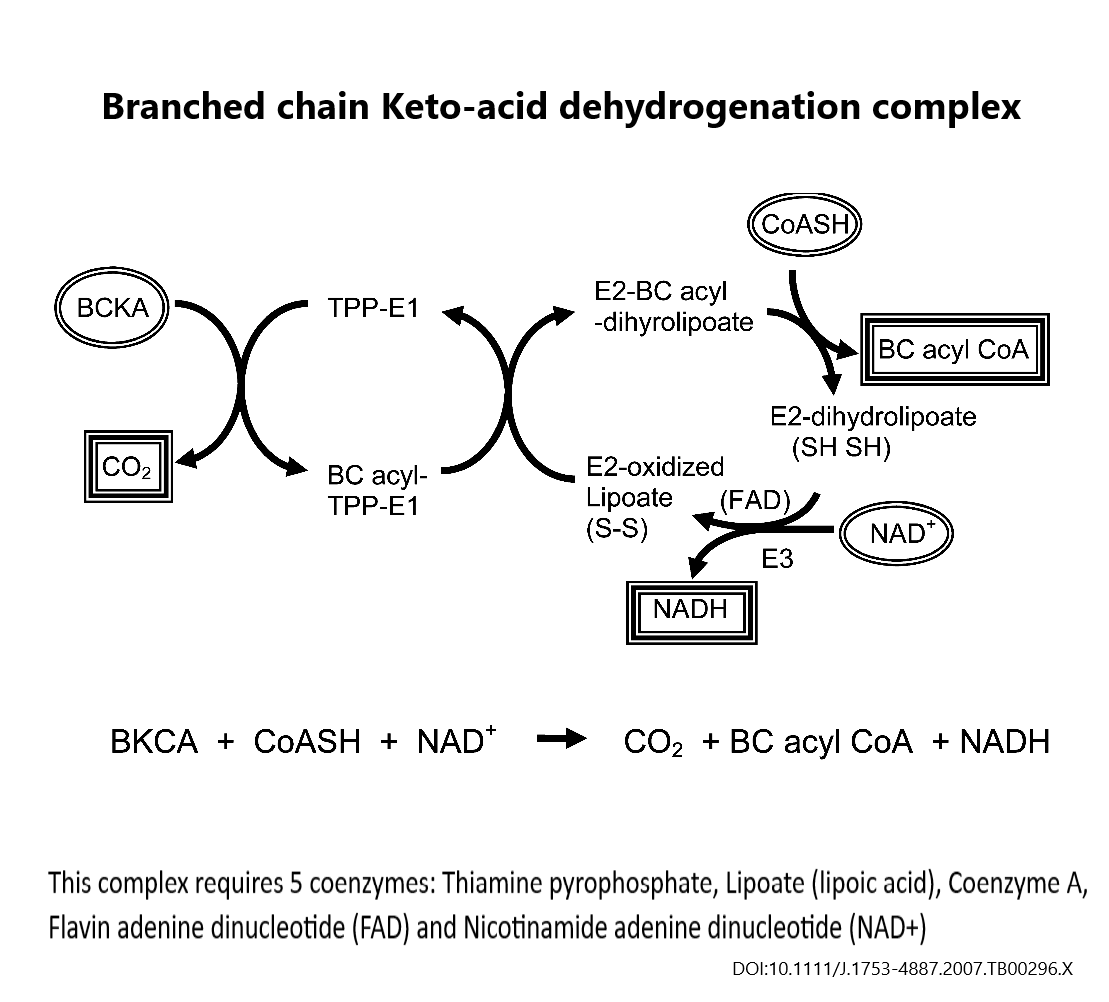
MSUD, Branched chain keto-acid dehydro complex

Diagram of the branched‑chain keto‑acid dehydrogenase complex affected in MSUD
This diagram illustrates the branched‑chain keto‑acid dehydrogenase (BCKD) complex and its role in the oxidative decarboxylation of branched‑chain keto acids derived from leucine, isoleucine, and valine. It highlights the coordinated actions of the E1, E2, and E3 components and shows how defects in this multi‑enzyme complex disrupt branched‑chain amino acid metabolism in maple syrup urine disease (MSUD).

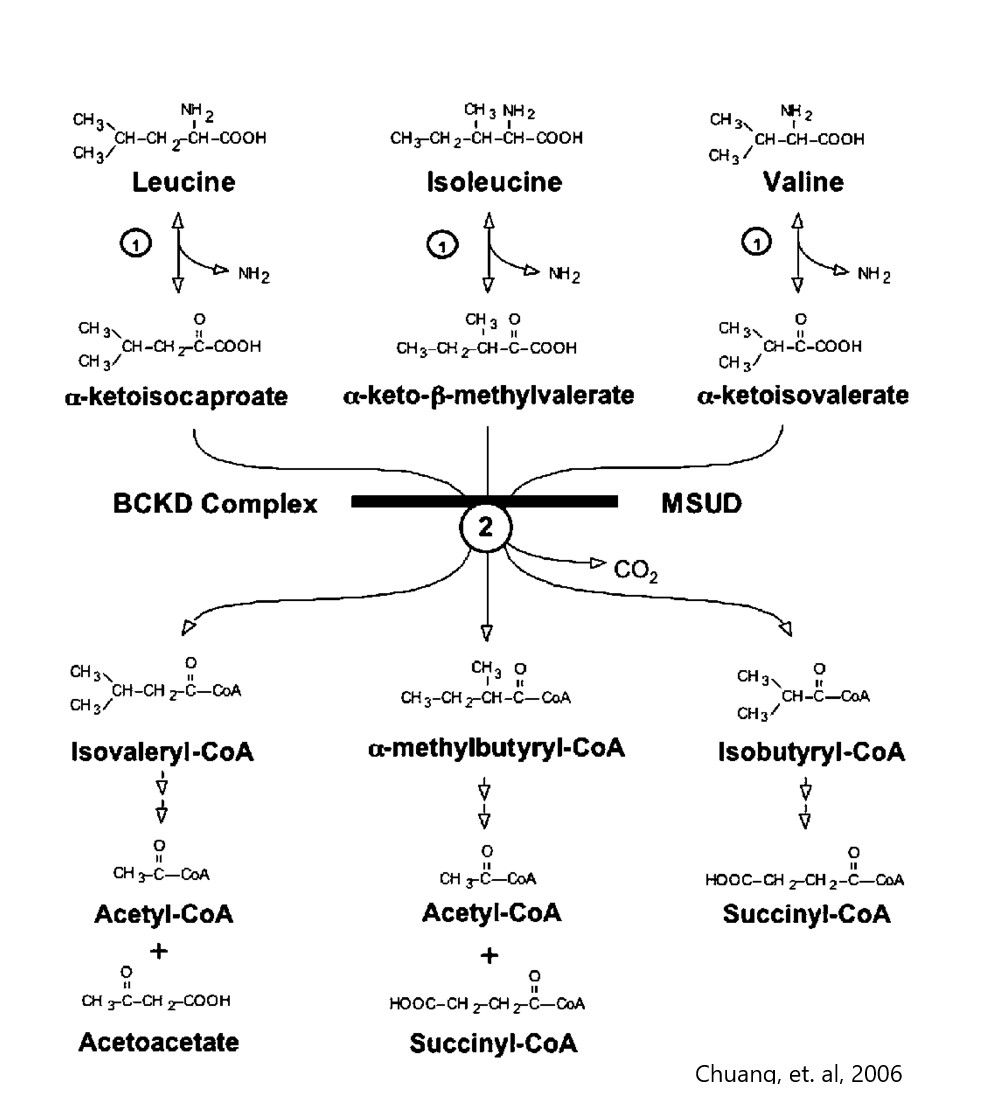
MSUD metabolites

Diagram showing branched‑chain amino acid metabolites accumulating in MSUD
This diagram illustrates the catabolic pathways of the branched‑chain amino acids leucine, isoleucine, and valine and the shared metabolic block that occurs at the branched‑chain keto‑acid dehydrogenase (BCKD) complex in maple syrup urine disease (MSUD). It shows how deficiency of BCKD leads to accumulation of branched‑chain keto acids and upstream metabolites, with distinct downstream metabolic fates blocked for all three amino acids.

Neurotransmitters

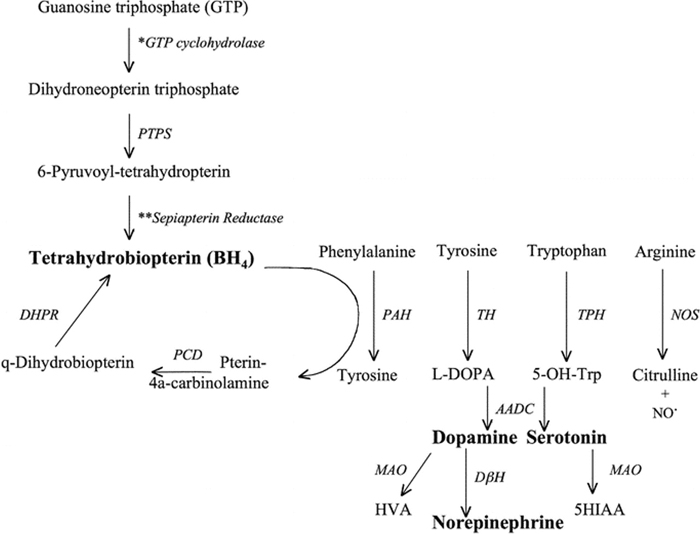
Diagram of tetrahydrobiopterin‑dependent neurotransmitter biosynthesis pathways
This diagram illustrates the biosynthesis and recycling of tetrahydrobiopterin (BH₄) and its role as an essential cofactor in neurotransmitter and amino acid metabolism. It shows how BH₄ supports key enzymes involved in the synthesis of dopamine, norepinephrine, serotonin, and nitric oxide, and how disruptions in BH₄ production or regeneration impair these pathways.

Oxidative phosphorylation, mito

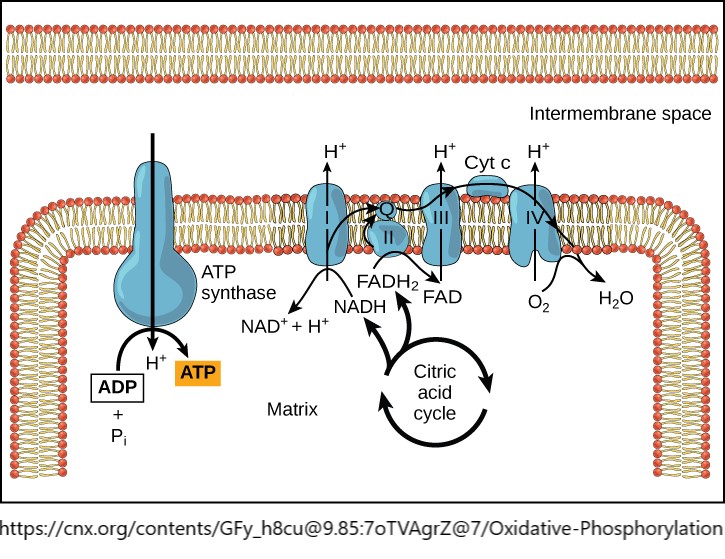
Diagram of the mitochondrial electron transport chain and ATP synthase during oxidative phosphorylation
This diagram illustrates oxidative phosphorylation in the inner mitochondrial membrane, showing the electron transport chain complexes (I–IV), mobile electron carriers, and ATP synthase. It depicts how electrons from NADH and FADH₂ drive proton pumping to create an electrochemical gradient that powers ATP generation from ADP and inorganic phosphate.

Oxo-prolinuria

Diagram of the gamma‑glutamyl cycle showing 5‑oxoproline formation and glutathione metabolism
This diagram illustrates the γ‑glutamyl cycle, which links glutathione synthesis with amino acid transport across the cell membrane. It shows how disruptions in this cycle lead to accumulation of 5‑oxoproline (pyroglutamic acid), the biochemical basis of oxo‑prolinuria.

Phosphorylase

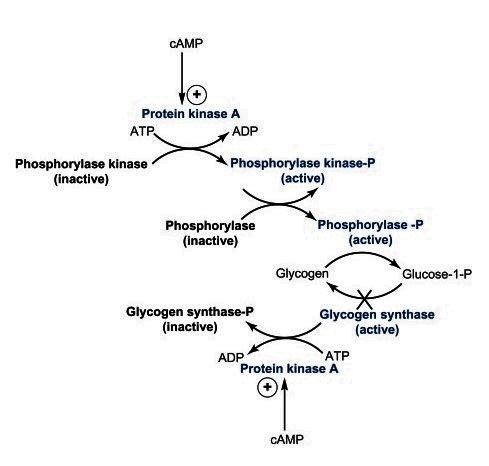
Diagram of cAMP‑dependent phosphorylation regulating glycogen phosphorylase and synthase
This diagram illustrates hormonal regulation of glycogen metabolism through cAMP‑dependent protein kinase A (PKA). It shows how phosphorylation activates phosphorylase kinase and glycogen phosphorylase to promote glycogen breakdown while simultaneously inactivating glycogen synthase, coordinating increased glycogenolysis with decreased glycogen synthesis.

PKU-biopterin

Diagram of phenylalanine hydroxylase and tetrahydrobiopterin recycling in PKU
This diagram illustrates the phenylalanine hydroxylase (PAH) reaction and the tetrahydrobiopterin (BH₄) recycling cycle underlying phenylketonuria (PKU) and BH₄‑responsive hyperphenylalaninemia. It shows conversion of phenylalanine to tyrosine using BH₄ as a cofactor and regeneration of reduced BH₄ by dihydropteridine reductase after oxidation during the reaction.

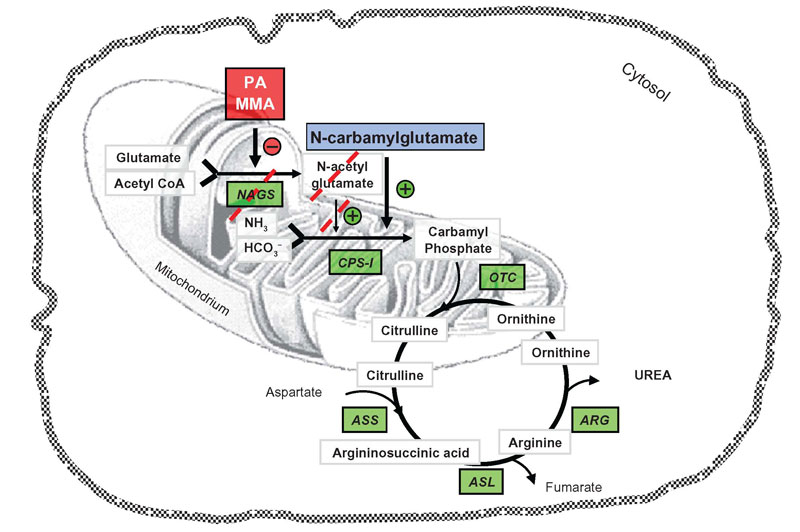
Propionic Carglumic acid

Diagram of the urea cycle showing disruption by propionic and methylmalonic acidemia
This diagram illustrates the urea cycle and the mechanism by which propionic acidemia (PA) and methylmalonic acidemia (MMA) cause secondary hyperammonemia. It shows how accumulation of propionyl‑CoA or methylmalonyl‑CoA inhibits N‑acetylglutamate synthase, reducing activation of carbamoyl phosphate synthetase I, and how carglumic acid (N‑carbamylglutamate) bypasses this block to restore urea cycle function.

Propionic acid pathway

Diagram of propionate metabolism showing conversion to succinyl‑CoA and sites of metabolic block
This diagram illustrates the propionic acid metabolic pathway, showing how propionyl‑CoA derived from amino acids, odd‑chain fatty acids, and gut‑derived propionate is converted to succinyl‑CoA for entry into the TCA cycle. It highlights the roles of propionyl‑CoA carboxylase and methylmalonyl‑CoA mutase, the requirement for biotin and adenosylcobalamin, and how defects at these steps lead to propionic acidemia or methylmalonic acidemia with characteristic metabolite accumulation.

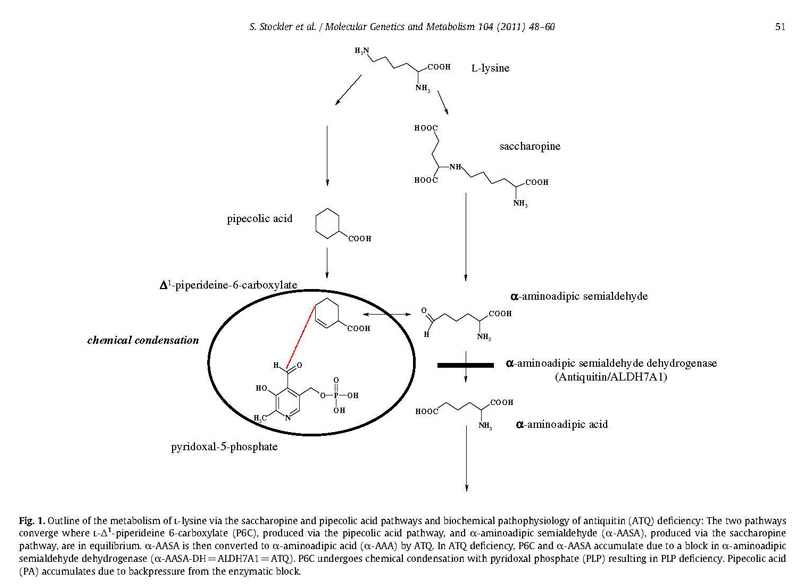
Pyridoxine deficiency

Diagram of lysine catabolism showing the metabolic block in pyridoxine‑dependent epilepsy
This diagram illustrates the lysine catabolic pathways converging on the enzymatic step affected in pyridoxine‑dependent epilepsy (PDE). It highlights deficiency of α‑aminoadipic semialdehyde dehydrogenase (antiquitin/ALDH7A1), leading to accumulation of metabolites that irreversibly inactivate pyridoxal‑5‑phosphate (PLP) and impair PLP‑dependent neurotransmitter synthesis, particularly GABA.

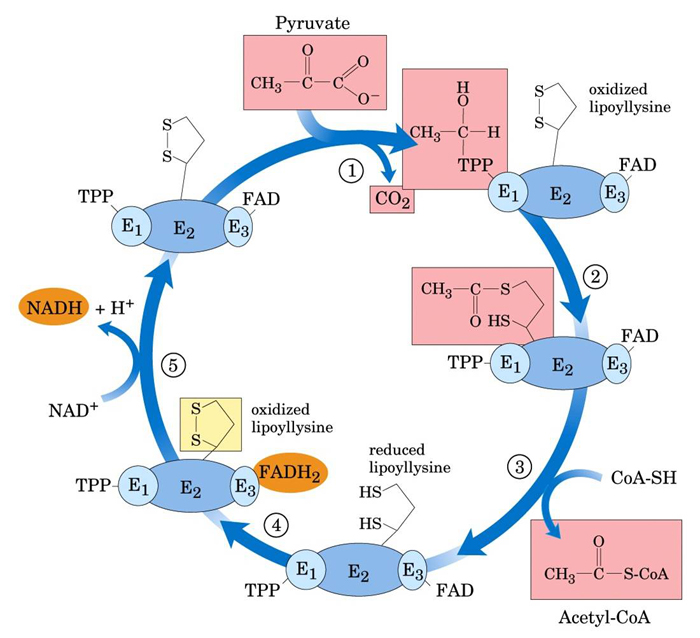
Pyruvate Dehydrogenase Complex

Diagram of the pyruvate dehydrogenase complex converting pyruvate to acetyl‑CoA
This diagram illustrates the catalytic mechanism of the pyruvate dehydrogenase complex (PDC), a multi‑enzyme complex that links glycolysis to the TCA cycle by converting pyruvate into acetyl‑CoA. It highlights the coordinated actions of the E1, E2, and E3 enzyme components, associated cofactors, and the stepwise regeneration of oxidized cofactors required for continued metabolic flux.

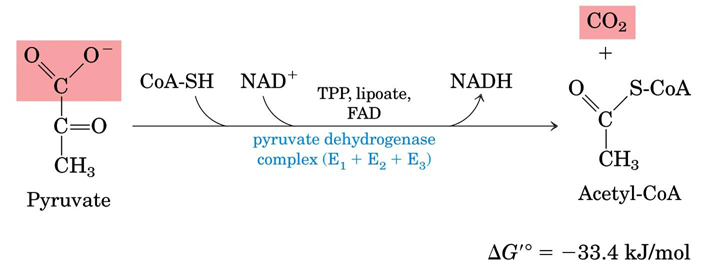
Pyruvate Dehydrogenase complex simplified

Simplified diagram showing overall pyruvate dehydrogenase reaction converting pyruvate to acetyl‑CoA
This simplified diagram summarizes the overall reaction catalyzed by the pyruvate dehydrogenase complex, showing conversion of pyruvate to acetyl‑CoA with release of CO₂ and production of NADH. It highlights the combined action of the E1, E2, and E3 enzyme components and the required cofactors that make the reaction effectively irreversible under physiological conditions.

Pyruvate Carboxylase; PDH deficiency

Diagram showing metabolic fates of pyruvate and roles of pyruvate carboxylase and PDH
This diagram illustrates pyruvate as a central metabolic branch point connecting lactate, alanine, the TCA cycle, and gluconeogenesis. It highlights the roles of pyruvate dehydrogenase in converting pyruvate to acetyl‑CoA and pyruvate carboxylase in generating oxaloacetate, explaining how defects in these enzymes lead to lactic acidosis and distinct metabolic consequences.

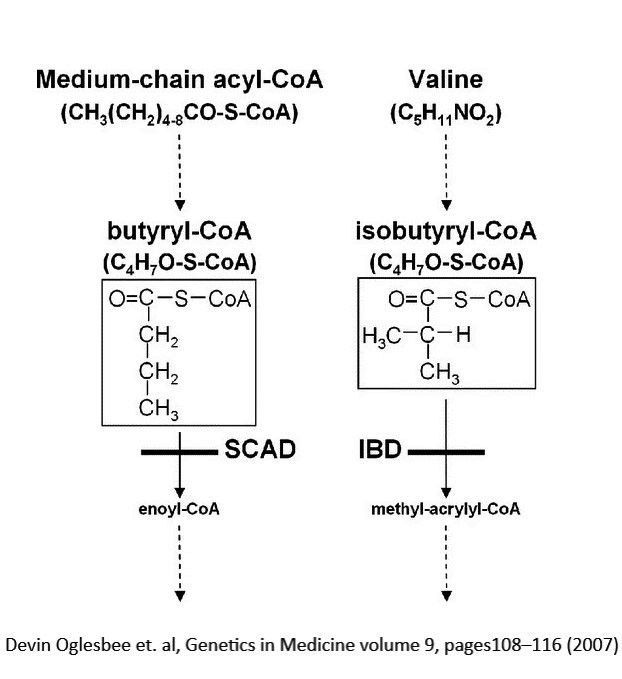
SCAD, IBD deficiencies

Diagram comparing SCAD and IBD enzyme blocks in short‑chain acyl‑CoA metabolism
This diagram compares the metabolic roles of short‑chain acyl‑CoA dehydrogenase (SCAD) and isobutyryl‑CoA dehydrogenase (IBD) and the effects of their deficiencies. It shows SCAD acting on butyryl‑CoA from fatty acid β‑oxidation and IBD acting on isobutyryl‑CoA derived from valine metabolism, highlighting how defects in each pathway lead to accumulation of characteristic C4 metabolites used in newborn screening and diagnosis.

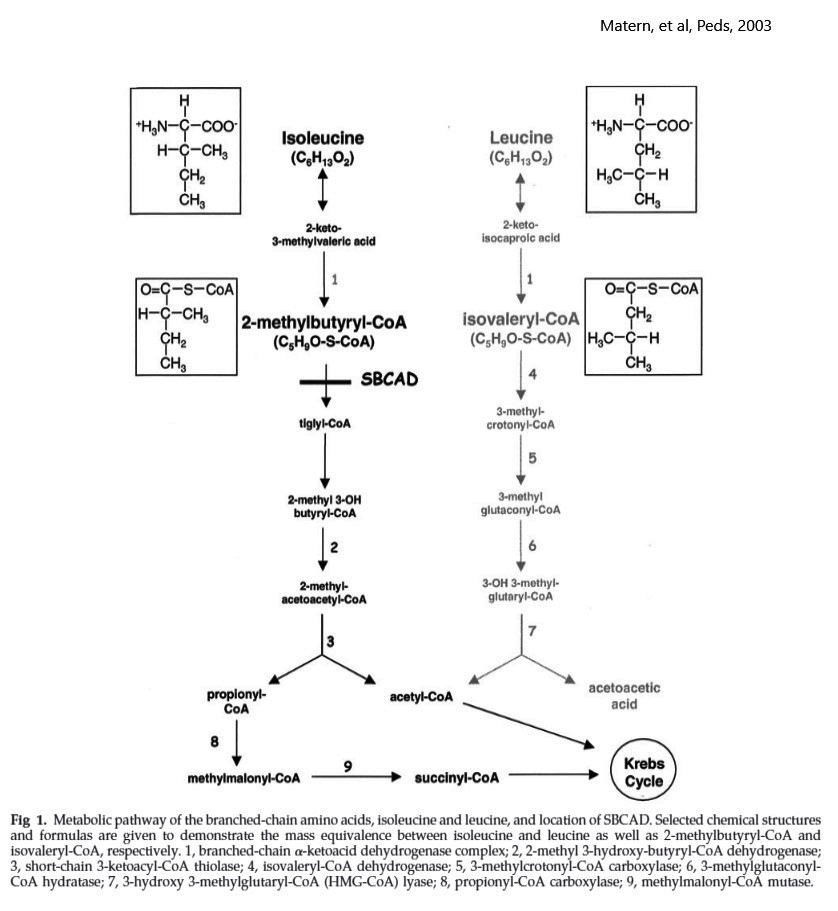
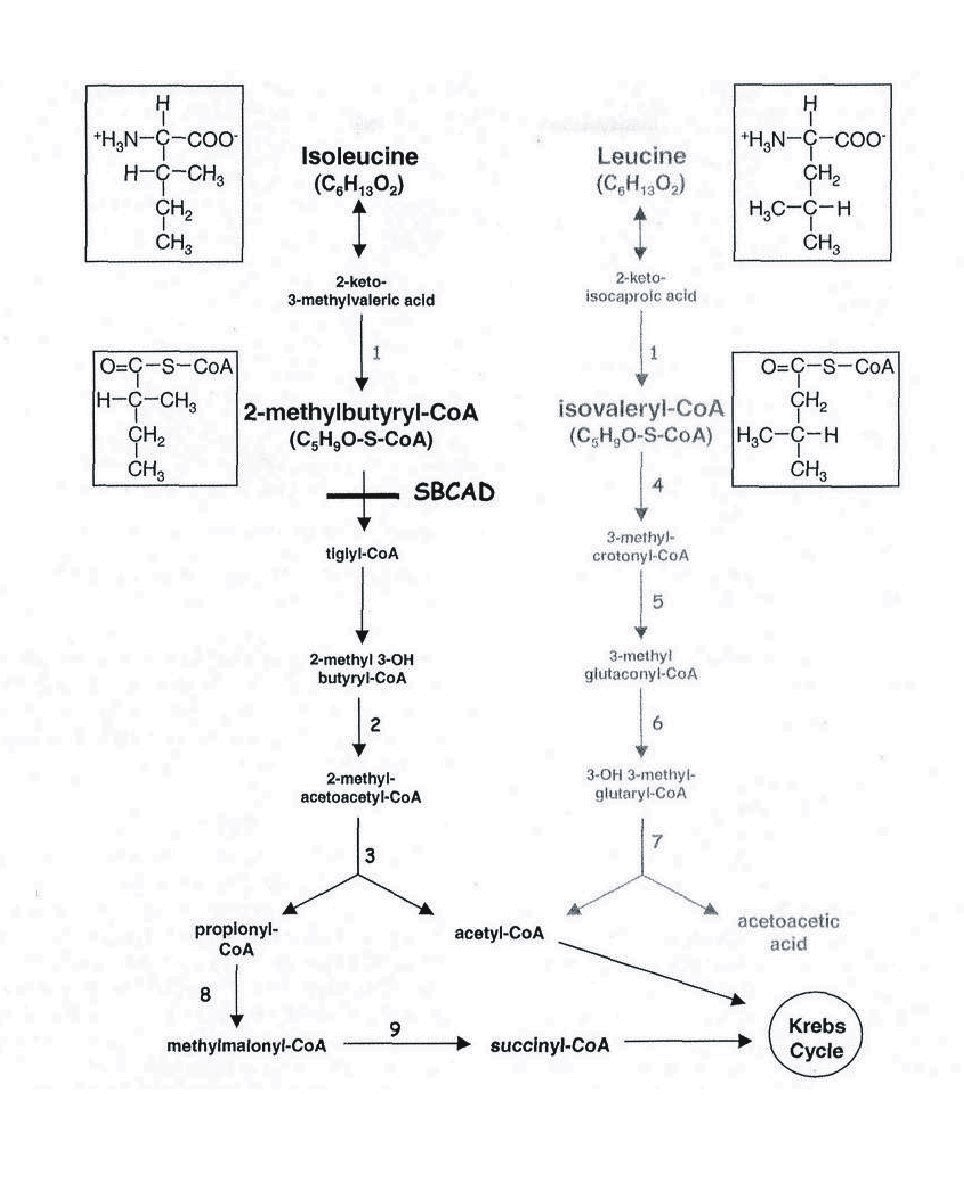
SBCAD

Diagram of isoleucine and leucine catabolism highlighting the SBCAD enzymatic block
This diagram illustrates the parallel catabolism of isoleucine and leucine with emphasis on the step catalyzed by short/branched‑chain acyl‑CoA dehydrogenase (SBCAD). It shows how SBCAD deficiency impairs dehydrogenation of 2‑methylbutyryl‑CoA in the isoleucine pathway, leading to accumulation of characteristic C5 metabolites used in newborn screening and diagnostic differentiation from related disorders.

Sucrase Isomaltase

Diagram of sucrose, maltose, and isomaltose digestion by the sucrase–isomaltase enzyme
This diagram shows the three disaccharide substrates of the sucrase–isomaltase enzyme complex in the intestinal brush border. It illustrates cleavage of sucrose (α‑1,2 bond), maltose (α‑1,4 bond), and isomaltose (α‑1,6 bond), highlighting how deficiency of this complex impairs carbohydrate digestion and leads to congenital sucrase–isomaltase deficiency.

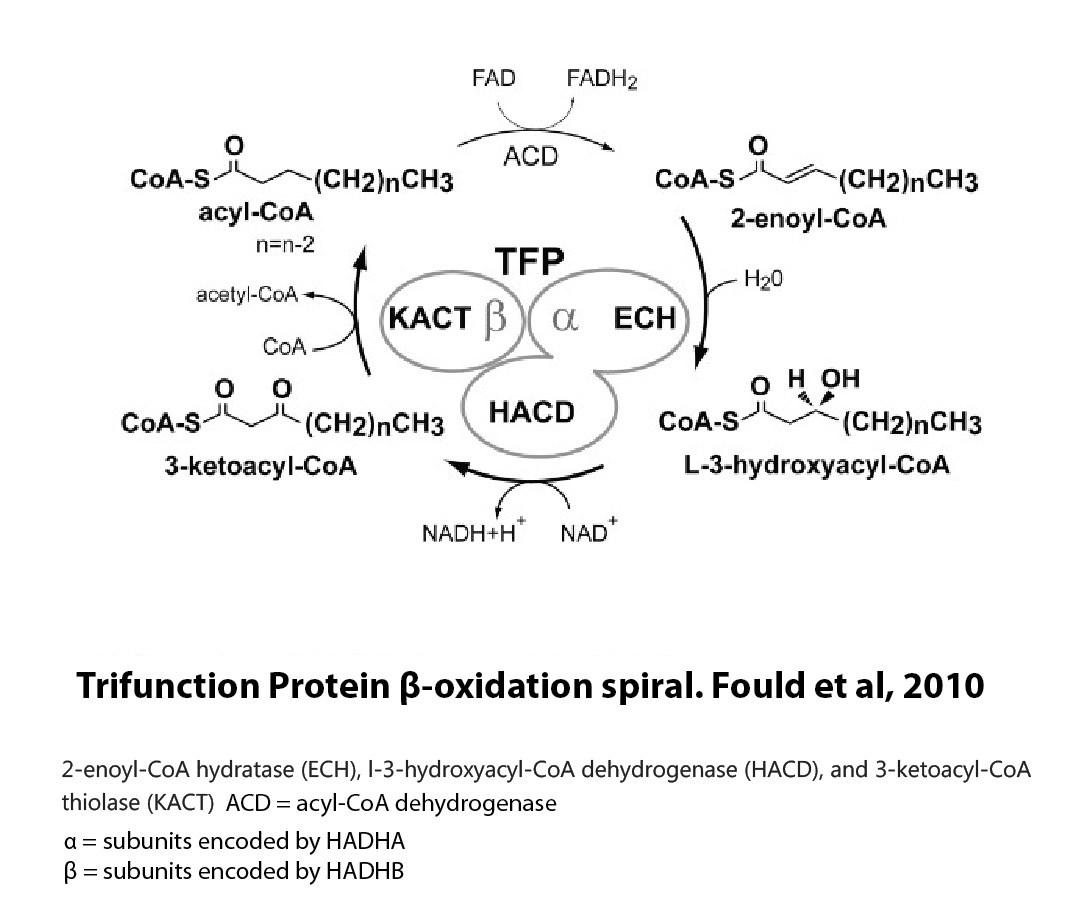
Trifunctional protein

Diagram of mitochondrial trifunctional protein catalyzing multiple steps of fatty acid beta‑oxidation
This diagram illustrates the role of the mitochondrial trifunctional protein (TFP) in long‑chain fatty acid β‑oxidation. It shows how the α‑ and β‑subunits of TFP catalyze successive hydration, dehydrogenation, and thiolysis reactions to convert long‑chain enoyl‑CoA intermediates into acetyl‑CoA, highlighting the biochemical basis of TFP deficiency and related fatty acid oxidation disorders.

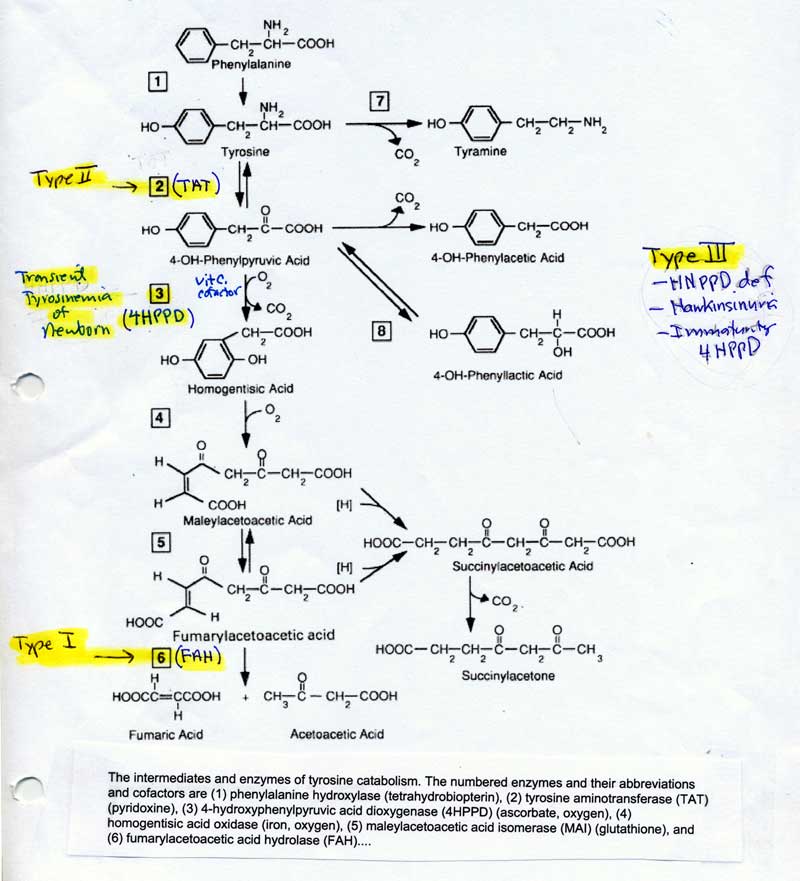
Tyrosinemia I, II and III

Diagram of tyrosine catabolism showing enzyme defects causing tyrosinemia types I, II, and III
This diagram illustrates the tyrosine catabolic pathway and maps the specific enzymatic defects responsible for tyrosinemia types I, II, and III. It shows how deficiencies at different steps lead to accumulation of characteristic intermediates, explaining the distinct biochemical findings and clinical features associated with each tyrosinemia subtype.

Urea cycle scavengers

Diagram of the urea cycle showing nitrogen‑scavenging therapies used in urea cycle disorders
This diagram illustrates the urea cycle and the mechanisms by which nitrogen‑scavenging drugs are used to treat urea cycle disorders. It shows how sodium benzoate and sodium phenylacetate (or phenylbutyrate) divert nitrogen into alternative excretable compounds, and how citrulline or arginine supplementation supports distal urea cycle function.

Urea cycle molecular structures
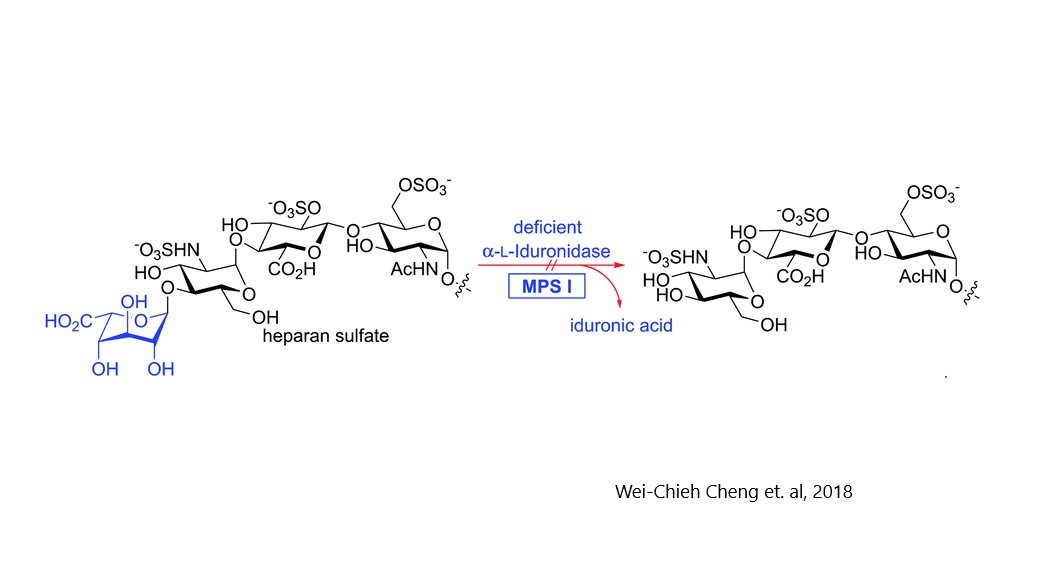
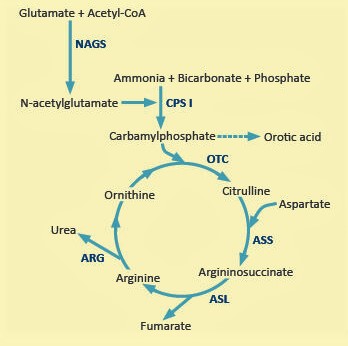
Diagram of the urea cycle showing molecular structures of intermediates and enzymes
This diagram illustrates the urea cycle with detailed chemical structures of each intermediate, highlighting the molecular transformations catalyzed at each enzymatic step. It shows how nitrogen from ammonia and aspartate is incorporated into urea through sequential reactions involving carbamoyl phosphate synthesis, citrulline formation, argininosuccinate production, and arginine cleavage.